

Is Taraweeh Bidah? History and Scholarly View
Table of Contents
Allah describes the righteous in Surah Adh-Dhariyat with several noble qualities, among them standing in prayer at night. Because of this, they attained vast gardens of Paradise. Allah, the Exalted, says:
“Indeed, the righteous will be in gardens and springs,
receiving what their Lord has given them. Indeed, they were before that doers of good.
They used to sleep but little of the night.” (Adh-Dhariyat: 15–17)
Since Taraweeh prayer is the special night prayer of the month of Ramadan, every Ramadan, one recurring question appears in discussions, lectures, and online forums, between Muslims in Canada and other Western countries : is taraweeh bidah?
Taraweeh prayer has been practiced for centuries across the Muslim world, from Makkah and Madinah to Cairo, America and beyond. Yet the debate continues: is taraweeh bidah? To answer this question properly, we must examine the prophetic tradition, the understanding of the Companions, and the principles scholars use when distinguishing between blameworthy innovation and legitimate religious practice.
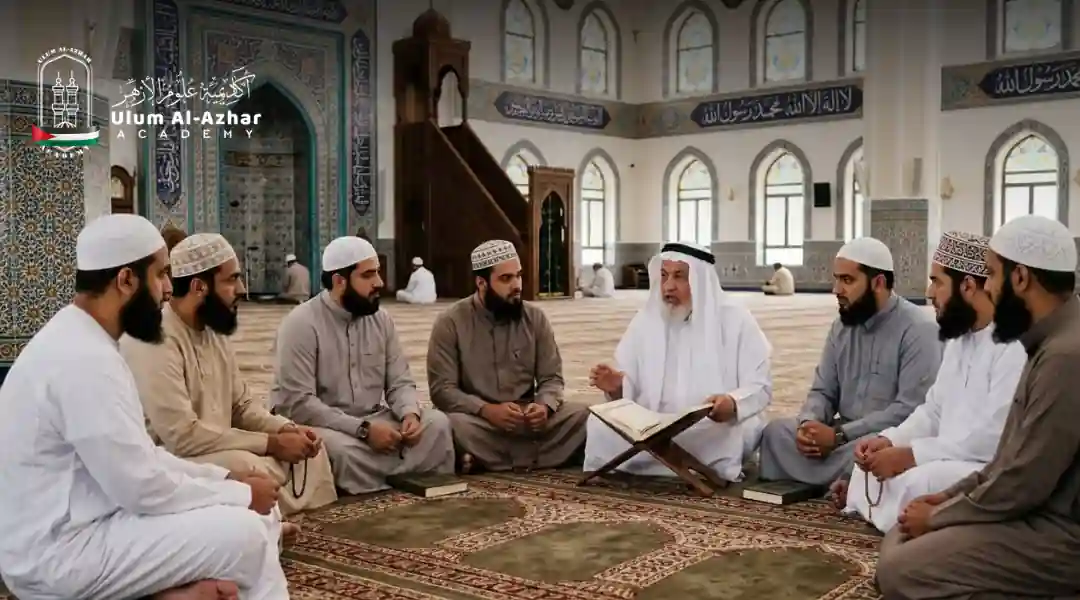
Understanding the Question: Is Taraweeh Bidah
The Arabic word bid‘ah (innovation) refers to introducing something new into the religion that has no basis in the Qur’an, the Sunnah, or the practice of the early Muslim community.
If something newly introduced is not prohibited in Islamic law, then it is not considered a blameworthy innovation (bid‘ah); rather, it may be regarded as a good Sunnah, based on the statement of the Prophet ﷺ:
“Whoever introduces a good Sunnah in Islam will have its reward and the reward of those who act upon it after him, without their rewards being diminished in any way. And whoever introduces a bad Sunnah in Islam will bear its burden and the burden of those who act upon it after him.”
Sunnah here does not mean inventing new acts of worship in the religion. For example, specifying a particular supplication with a fixed wording, a fixed number, and a fixed time—believing that it will fulfill a specific desire—when such specification has no basis in the Qur’an or the Sunnah, would be considered a blameworthy innovation.
So, When people ask, is taraweeh bidah, the answer is no, The reason is simply that the Messenger of Allah ﷺ performed the Taraweeh prayer both individually and in congregation with a group of his Companions.
So why do people ask whether is taraweeh bidah Let us understand the reason from the following historical perspective.
Unlock personalized Islamic learning by booking a free consultation with Al-Azhar-certified Sheikhs from Egypt.
Historical Background of Taraweeh Prayer
The following two stories clearly explain whether is taraweeh bidah or not.
The First Story: During the Time of the Prophet ﷺ
It was narrated by Aisha bint Abi Bakr رضي الله عنها. She said:
“The Messenger of Allah ﷺ prayed one night in the mosque, and some people prayed behind him. Then he prayed on the following night and more people gathered. On the third or fourth night, the people gathered again, but the Messenger of Allah ﷺ did not come out to them. In the morning, he said: ‘I saw what you did, and nothing prevented me from coming out to you except that I feared it would be made obligatory upon you.’ And that was during Ramadan.”
This hadith clearly shows that the Prophet ﷺ prayed Taraweeh in congregation, but later refrained only out of mercy and fear that it might become obligatory upon the Ummah.
So, is taraweeh bidah? No, it is not a bid‘ah, whether a Muslim prays it individually or in congregation.
The Second Story: During the Caliphate of Umar ibn al-Khattab
It was narrated by Abdul Rahman ibn Abd al-Qari رضي الله عنه, who said:
“I went out one night in Ramadan with Umar ibn al-Khattab to the mosque, and the people were scattered—one man praying alone, another praying with a small group. Umar said: ‘I think that if I were to gather them behind one reciter, it would be better.’ So he resolved to do so and gathered them behind Ubayy ibn Ka’b.
Then I went out with him on another night, and the people were praying behind their reciter. Umar said: ‘What a good innovation this is.’”
Clarifying the Meaning of “Bid‘ah” in Umar’s Statement
What Sayyiduna ʿUmar meant here by a “good innovation” was in accordance with the statement of the Messenger of Allah ﷺ:
“Whoever introduces a good practice and it is followed, he will have its reward and the reward of those who act upon it, without their reward being diminished in the least. And whoever introduces a bad practice and it is followed, he will bear its burden and the burden of those who act upon it after him, without their burdens being diminished in the least.”
As for those who say that there is no such thing as a good innovation, based on the statement of the Prophet ﷺ : “Every innovation is misguidance,”
The answer is: this hadith is considered general but specified (al-ʿām al-makhṣūṣ)العام المخصوص . (al-ʿām al-makhṣūṣ): a general text is one that comes in a broad form including many individuals, then another proof (a specifying evidence) excludes some of those individuals from the general ruling, leaving the ruling applicable only to what remains.
The specifying evidence here is the statement of the Prophet ﷺ:
“Whoever introduces into this matter of ours that which is not from it, it will be rejected.”
Another proof is the previously mentioned hadith: “Whoever introduces a good practice…”
Therefore, the criterion is whether this innovation is based on something permitted in the Shariʿah or not. Imam al-Shafiʿi رضي الله عنه said:
“Newly introduced matters are of two types: one that contradicts the Book, the Sunnah, a report (athar), or consensus (ijmaʿ); this is the blameworthy innovation. The second is that which is introduced of good and does not contradict the Book, the Sunnah, a report, or consensus; this is a newly introduced matter that is not blameworthy.”
Likewise, our teacher al-ʿIzz ibn ʿAbd al-Salam said in his book Qawaʿid al-Ahkam:
“Innovation is divided into obligatory, prohibited, recommended, disliked, and permissible.”
He then said:
“The way to determine this is to present the innovation to the principles of the Shariʿah. If it falls under the principles of obligation, then it is obligatory; if under prohibition, then it is prohibited; if under recommendation, then recommended; if under dislike, then disliked; and if under permissibility, then permissible.”
Moreover, what Sayyiduna ʿUmar did, not an innovation, because the Messenger of Allah ﷺ himself performed Taraweeh during his lifetime. The Companions also prayed during the Prophet’s time—sometimes individually, sometimes in pairs, and sometimes in small groups. What Umar رضي الله عنه did was simply gather them behind one imam, which makes the answer of is taraweeh bidah is No, it is a Sunnah, not a bid‘ah.
Why Did Umar رضي الله عنهOrganize Taraweeh in Congregation?
We mentioned that the Prophet ﷺ used to pray night prayers in his home, and he led the Companions in Taraweeh for three nights, then refrained and said: “I feared that it would be made obligatory upon you.”
This clearly shows that the Prophet ﷺ only stopped leading Taraweeh publicly out of fear of obligation, not because it was impermissible.
After the Prophet ﷺ passed away, revelation ceased, legislation ended, and there was no longer any fear that Taraweeh could become obligatory. For this reason, Umar رضي الله عنه revived and organized the practice, gathering the people upon it.
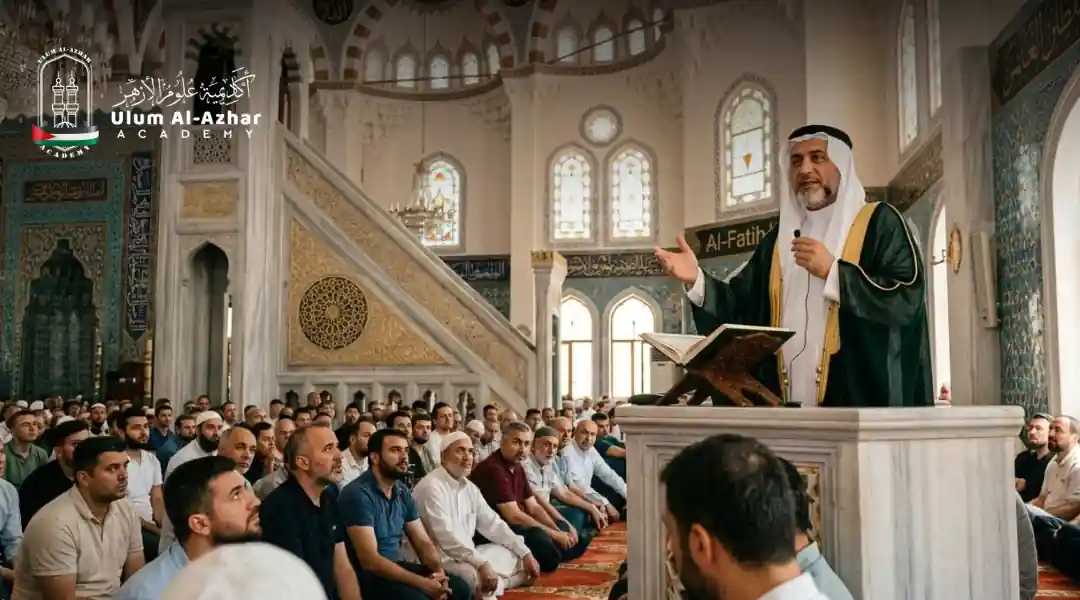
Practice of Taraweeh During the Companions’ Time
The Companions unanimously accepted the organized congregation of Taraweeh during the caliphate of Umar ibn al-Khattab. There is no authentic record of any Companion objecting to this practice. Among them were great scholars such as: Ali ibn Abi Talib,Uthman ibn Affan and Abdullah ibn Masud
Their silence and participation demonstrate approval. If Taraweeh in congregation were truly a blameworthy innovation, it is inconceivable that the leading Companions—renowned for their knowledge and piety—would have accepted it. The early Muslim community was extremely cautious about preserving the integrity of worship.
So when modern discussions ask, is taraweeh bidah, the historical reality of the Companions’ consensus becomes a decisive factor that the answer is no.
Why Was This Not Done During the Caliphate of Abu Bakr?
As for those who ask why Abu Bakr al-Siddiq رضي الله عنه did not establish Taraweeh in this organized form, the answer is clear: Abu Bakr رضي الله عنه was deeply occupied with confronting apostasy and stabilizing the Muslim community after the death of the Prophet ﷺ. In addition, his caliphate was very short—only about two years.
When Umar رضي الله عنه assumed leadership and the affairs of the Muslims became stable, he gathered the people for Taraweeh in Ramadan, just as they had once gathered behind the Prophet ﷺ. Thus, all that Umar رضي الله عنه did was revive and restore an established Sunnah, not introduce a new practice.
In conclusion, Taraweeh is a prophetic Sunnah that was revived and organized, not a blameworthy innovation.
Difference Between Innovation and Organized Worship
A Muslim must adhere to what the Prophet ﷺ legislated, and it is not permissible for him to oppose it or to introduce innovations into the religion. Innovation (bid‘ah) takes two forms:
First:
Introducing an act of worship that has no basis in Islamic law at all, such as Seeking help and assistance from that which neither benefits nor harms.
Second:
When an act of worship is legitimate in its (foundation), but the deviation occurs in specifying its time, place, number, manner, or reason. This is known as an additional (relative) innovation. It only becomes a bid‘ah when it is done with regular commitment and repetition. If it is done once or twice without believing it to be binding or especially virtuous, then it is not considered a bid‘ah.
For example, praying night prayer in congregation on a particular night without believing that it has a specific virtue is not an innovation.
Also, Islamic scholars differentiate between bid‘ah sayyi’ah (blameworthy innovation) and actions that fall under legitimate organization of existing Sunnah.
For example:
- Compiling the Qur’an into one official manuscript.
- Establishing formal schools for teaching Islamic sciences.
- Using microphones in mosques.
None of these existed during the Prophet’s time in their current form. Yet they are not considered blameworthy innovations because they serve and preserve established religious principles.
What ultimately settles the debate over the question is taraweeh bidah, is the fact that it already existed during the time of the Prophet ﷺ, and the Prophet himself performed it.

Scholarly Consensus on Taraweeh
Across the four major Sunni schools of jurisprudence—Hanafi, Maliki, Shafi‘i, and Hanbali—Taraweeh prayer is considered a confirmed Sunnah (Sunnah mu’akkadah). The scholars differed slightly regarding the number of rak‘ahs (some saying 8, others 20), but none declared the practice itself an innovation.
Know more details about number of rak‘ahs of taraweeh through Taraweeh Prayer Rakat: How Many Rakat to Pray and Sunnah Practices.
The consensus (ijma‘) of the Companions holds immense weight in Islamic legal theory. Since they unanimously practiced organized Taraweeh, later scholars regarded it as firmly established.
When addressing the repeated concern is taraweeh bidah, scholars emphasize:
- It was prayed by the Prophet ﷺ.
- It was revived by a rightly guided caliph.
- It was unanimously accepted by the Companions.
- It was preserved by generations of scholars.
Discover more about the types of voluntary prayers through the discussion of Is Taraweeh Sunnah or Nafl? Understanding Its Status
Addressing Common Doubts
1. If it were Sunnah, why did the Prophet stop leading it?
He stopped out of mercy, fearing it might become obligatory. After his passing, revelation ceased, and that concern no longer existed.
2. Why did Umar call it an innovation?
His use of the word referred to linguistic innovation (something organized in a new way), not religious innovation without basis.
3. Is praying Taraweeh individually better?
Both are permissible. However, praying in congregation carries additional communal reward and unity.
When examined carefully, the question is taraweeh bidah arises from misunderstanding terminology rather than evidence.
Spiritual Wisdom Behind Taraweeh
Expiation of Sins
Taraweeh prayer is a means for the forgiveness of past sins. It was narrated by Abu Huraira رضي الله عنه that the Messenger of Allah ﷺ used to encourage standing in prayer during Ramadan and said:
“Whoever stands in prayer during Ramadan with faith and seeking reward, his previous sins will be forgiven.”
Attaining the Reward of a Full Night’s Prayer
The Messenger of Allah ﷺ said:
“Whoever prays with the imam until he finishes, it will be recorded for him as if he spent the entire night in prayer.”
This means that whoever prays Taraweeh with the imam sincerely for the sake of Allah, seeking His reward, will be granted the reward as though he had stood in prayer from sunset until dawn (the reward of a full night’s prayer).
Strengthening One’s Connection with the Qur’an
Among the virtues of Taraweeh prayer is that it strengthens the Muslim’s connection with the Qur’an. Whether he listens attentively to the imam or recites himself from the mushaf when praying alone, in both cases he reflects upon the meanings of the verses and feels the greatness and majesty of the Noble Qur’an.
Taraweeh: An Additional Opportunity for Answered Supplication
Taraweeh prayer is also an extra opportunity for answered supplication. Ramadan is the month in which supplications are answered, and Taraweeh provides a special time for du‘a’ and humble devotion to Allah. During night prayer, the heart is closer to Allah, and supplication at that time is more likely to be accepted.
Seerah of Prophet Muhammad: Get to know our role model: Prophet Muhammad by studying his life, character, attributes, and teaching style.

Conclusion
So, is taraweeh bidah? Based on prophetic practice, the consensus of the Companions, and the agreement of leading scholars across centuries, Taraweeh is not a blameworthy innovation. It is a confirmed Sunnah (Sunnah mu’akkadah) and Umar رضي الله عنه revived it as Sunnah organized for communal benefit.
Therefore, the answer to is taraweeh bidah—when approached through historical evidence and scholarly methodology—is clear: it is a legitimate, established Sunnah prayer that enriches the spiritual life of Ramadan.
A free consultation with Al-Azhar-certified Sheikhs from Egypt is your gateway to personalized Islamic learning.
FAQs
1. Is taraweeh bidah according to early scholars?
No. The early scholars unanimously regarded Taraweeh as an established Sunnah based on prophetic practice and companion consensus.
2. How many rak‘ahs should Taraweeh be?
There is scholarly difference—commonly 8 or 20 rak‘ahs—but both views are valid within jurisprudence.
3. Can women attend Taraweeh in the mosque?
Yes, if proper guidelines of modesty and conduct are observed. Praying at home is also valid.
4. Is it sinful to skip Taraweeh?
No. It is highly recommended but not obligatory.
