
10 Differences Between Islam and Christianity You Should Know
Table of Contents
Islam came bearing for humankind everything it needs for its livelihood, its worldly life, and its Hereafter—what benefits the individual on a personal level and what serves society as a whole.It refined human belief after it had been corrupted by associating partners with God, by the degradation of idol and statue worship, and by the submission of heads before religious authorities.
Islam guided humanity to believe in the divinity of One God, without associating anything with Him. It then directed the human mind and vision to reflect upon the dominion of the heavens and the earth, so that faith in God’s existence, power, and perfect governance would increase—becoming a conviction rooted in the heart and soul, not a blind or mechanical belief. Thus, a person would not become a silent tool in the hands of whims and desires, shaped to act however they dictate.
This is the most important point among the 10 differences between Islam and Christianity. Let’s go ahead and discuss the remaining points.
Key 10 Differences Between Islam and Christianity Explained Simply
The factors that widen the gap between Muslims and Christians are numerous and significant, and the most important of them are the doctrinal differences regarding the oneness of God, the testimony to the prophethood of Muhammad ﷺ , and the belief in the humanity of Jesus عليه السلام.
These are the main 10 differences between Islam and Christianity
- Christians believe that Christ is the Son of God.
- Christians believe that Christ is God alongside God, and that He is the second person of the Holy Trinity.
- Christians believe that the divine nature became incarnate in the human nature.
- Christians believe that God consists of three persons, known as the doctrine of the Trinity.
- Christians believe that Jesus عليه السلام was crucified by the Jews under the order of Pontius Pilate and died on the cross and the Jews accuse his mother, Mariam, of adultery (though she is innocent of that in Islam).
- Christians believe that Christ died on the cross as a sacrifice for humanity and as atonement for original sin.
- Christians distort the Book of God, the Gospel, whether by changing the words through alteration or addition, or by distorting the meaning.
- The doctrine of salvation, Christians believe that God sent His only son to save humanity from the sin committed by the first human, Adam, and that God was unable to forgive that sin by Himself, so He sent His sinless son to sacrifice Himself for the removal of sin.
- Christians disbelieve in the prophethood of Muhammad ﷺ , even though it is mentioned in both the New and Old Testaments.
- Christians believe in the authenticity of the altered Torah that exists today, which contains blasphemy against God, attributing flaws to Him, and insulting the prophets and messengers.
These 10 differences between Islam and Christianity shape how believers understand faith, worship, and their relationship with God.
The first step in your Islamic learning journey is free consultation, featuring Al-Azhar-certified Sheikhs in Egypt.
Core Beliefs About God and Prophets in Both Religions
One of the most fundamental topics when discussing the 10 differences between Islam and Christianity is the belief about God and prophets.
The Oneness of God
The first pillar of Islam is the testimony of faith, which affirms the oneness of God. Muslims worship God and do not associate anything with Him. He is One, with no partner in His divinity, lordship, or His names and attributes.
As for Christians, they worship God while associating other deities with Him. Most Christian denominations adhere to the doctrine of the Trinity: Father, Son, and Holy Spirit.
Jesus and the Prophets
Another essential aspect of the 10 differences between Islam and Christianity lies in the role of Jesus. In Islam, one of the six pillars of faith is belief in the messengers. A Muslim believes in all the prophets whom God sent.
So, In Islam, Jesus عليه السلام is regarded as one of the greatest prophets, born miraculously, but fully human. He is neither divine nor the son of God.
In Christianity, Jesus is central to faith as the Son of God and, in many doctrines, God incarnate.
And among Christian beliefs as well regarding the prophets:
– they describe God as having wept in regret over the flood that drowned Noah’s people, and that He was visited by angels—exalted is God above such notions.
– They describe Lot عليه السلام as having committed incest with his daughters – والعياذ بالله- , and Noah عليه السلام as having drunk wine until he became drunk and exposed himself.
But a Muslim believes in all of God’s prophets, honors them, and affirms the messages they were sent with.
Seerah of Prophet Muhammad: Get to know our role model: Prophet Muhammad by studying his life, character, attributes, and teaching style.
The Role of the Quran and Bible in Faith and Practice
Sacred scripture is another major theme among the 10 differences between Islam and Christianity.
The Quran in Islam
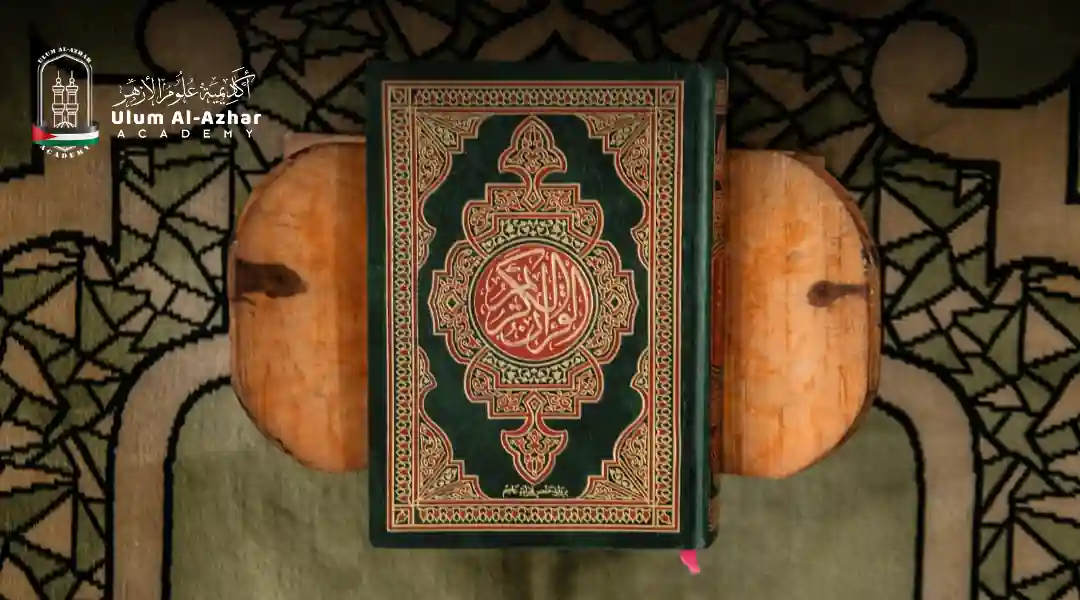
Muslims believe in the Qur’an and in all the sacred scriptures that were revealed to the prophets, but they believe that all those scriptures were altered, and that only the Qur’an remains preserved as it was revealed by God.
So, Muslims believe the Quran is the word of God, revealed to Prophet Muhammad ﷺ through the Angel Gabriel. It is fully preserved in its original language and message, serving as the ultimate source of guidance in belief, worship, and law.
The Bible in Christianity
Christians believe in the Bible as sacred scripture, consisting of the Old and New Testaments. It includes historical narratives, teachings, letters, and parables written by multiple authors over centuries.
How Worship Differs Between Muslims and Christians
Worship practices clearly illustrate the practical side of the 10 differences between Islam and Christianity.
Islamic Worship
Worship in Islam is based on the Five Pillars of Islam:
- the testimony that there is no god but Allah and that Muhammad ﷺ is the Messenger of Allah
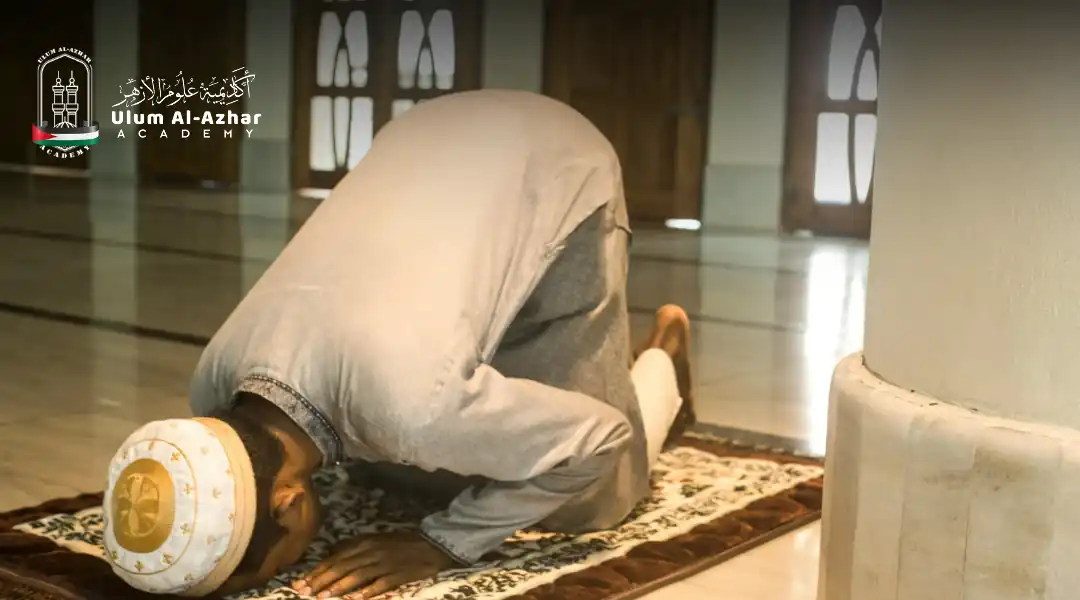
- establishing prayer ( five daily prayers at specific times)
- giving zakah
- fasting the month of Ramadan
- and performing pilgrimage to the House for those who are able to do so.
In addition to other voluntary acts of worship, which carry great reward, such as night prayer, visiting the sick, and even a kind word is rewarded in Islam.
Christian Worship
Christian worship varies by denomination but often centers around church services, hymns, sermons, and communal prayer. While prayer is essential, it does not follow a fixed daily structure like in Islam.
Law, Ethics, and Daily Life
Another area within the 10 differences between Islam and Christianity concerns how religion influences daily conduct. This distinction shapes how believers of each faith live out their religious commitments.
Islamic Law and Ethics
Islamic teachings provide guidance for both spiritual and practical matters, including family life, business ethics, social justice, and personal behavior. Faith and daily life are closely connected. The sources of Islamic teachings (sharia) are the Qur’an, the Sunnah, and the consensus of scholars.
Christian Ethical Teachings
While ethical guidance exists, religious law does not usually govern daily transactions in the same comprehensive manner as in Islam.
The Concept of Salvation and the Afterlife
Salvation is a key topic when examining the 10 differences between Islam and Christianity.
In Islam, salvation is based on faith in God, righteous deeds, sincere repentance, and divine mercy. Every individual is responsible for their own actions, and no one bears the sin of another.
Christian theology often emphasizes salvation through faith in Jesus Christ and his sacrificial role. While interpretations vary, this belief represents a major theological difference.
Both religions believe in an afterlife, accountability, heaven, and hell, but with some difference:
Christians believe in bodily resurrection. It is stated in The Dictionary of the Bible: “According to the teaching of the Bible, the resurrection includes the rising of bodies, the transformation of these bodies, and their remaining forever.” It also states: “Christ clearly taught that the dead will rise.”
Christians also believe in eternal bliss in Paradise and eternal punishment in Hell, as mentioned in the Gospel of Matthew. However, they claim that Paradise contains no eating, drinking, marriage, or any physical pleasures. Rather, they believe that enjoyment there consists solely of seeing God. They cite two texts as evidence for this view, one of which is found in the Gospel of Matthew.
This, however, contradicts another text, for Luke (22:29) mentions that Christ said to his disciples who believed in him: “And I confer on you a kingdom, just as my Father conferred one on me, so that you may eat and drink at my table in my kingdom, and sit on thrones judging the twelve tribes of Israel.”
Reflect on the previous contradiction in their altered texts, and compare it with the Islamic belief regarding the Jannah, the verses (Surah Al-Insān 11–22):
So Allah will protect them from the evil of that Day and grant them radiance and joy,
and reward them for their patience with a Garden and silk.
They will recline therein on adorned couches, neither seeing therein sun nor bitter cold.
Its shade will be close upon them, and its fruits will be made easy to gather.
And vessels of silver will be passed around among them, and cups that are crystal-clear—
crystal-clear, made of silver, perfectly measured.
And they will be given to drink a cup whose mixture is ginger,
from a spring therein called Salsabīl.
And there will circulate among them eternal youths; when you see them, you would think them scattered pearls.
And when you look there, you will see bliss and a great kingdom.
Upon them will be garments of fine green silk and brocade, and they will be adorned with bracelets of silver,
and their Lord will give them a pure drink.
Indeed, this is your reward, and your effort has been appreciated.
Ulum Al-Azhar Academy’s Insights on Interfaith Understanding
It is not about just 10 differences between Islam and Christianity, rather, it is faith that defines every detail of a person’s life and makes them feel safe and reassured. In Islamic law, faith requires belief in six fundamental pillars: belief in God, His angels, His books, His messengers, the Last Day, and divine decree—both its good and its bad.
Each of these pillars has been clearly explained in our Islamic teachings through simple and accessible methods that ease a Muslim’s worldly life and Hereafter, without confusion or uncertainty caused by contradictory texts written by humans in the Christian religion, which they refer to as the sacred scriptures.
Get closer to these 10 differences between Islam and Christianity by Instilling a strong Islamic foundation by learning Islam Iman Ihsan based on the Hadith of Jibril PBUH.
Conclusion
Exploring the 10 differences between Islam and Christianity helps clarify beliefs that are often misunderstood or oversimplified. The difference between Muslims and Christians is not only due to their associating others with God in worship, but also because of their denial of the message of Muhammad ﷺ.
A Muslim must be aware of these fundamental differences in order to strengthen his faith and avoid being drawn into false beliefs from other religions that have become altered in our time.
Propel your Islamic learning journey forward, starting with free consultation with our Al-Azhar-certified Sheikhs from Egypt.
FAQs
Why is it important to learn the 10 differences between Islam and Christianity?
Understanding these differences helps us correct our beliefs which is extremely important, because the creed “aqidah” is the foundation upon which a person’s actions are built.
Do Muslims and Christians worship the same God?
No, a Muslim worships God alone and does not associate anything with Him, whereas a Christian believes in the Trinity.
Is Jesus considered a prophet in Islam?
Yes, Jesus is honored as a great prophet in Islam, but not as divine.
Tag:10 differences between Islam and Christianity, christianity and islam similarities and differences, differences between islam and christianity, what are the three most important differences between christianity and islam, what is the main difference between islam and christianity, which is older islam or christianity
