
What Is the Shab e Barat? Understanding the 15th of Shaban in Islam
Table of Contents
The righteous predecessors were extremely keen on making the best use of time, especially those times in which Allah, the Exalted, has granted extra virtue and reward over other acts of devotion, such as prayer, fasting, remembrance, night prayer, and other righteous deeds. Allah, Glorified and Exalted, has designated every such time with specific acts of worship to be observed throughout the months, days, and hours.
Among these blessed times is the Night of the Middle of Shaban (Shab e Barat), which begins at sunset on Monday, February 2, 2026. What is the Shab e Barat, what is its true place in Islam?, its religious background, how it has been practiced historically, and how Muslims can approach it in a way that aligns with authentic Islamic teachings—without excess, neglect, or confusion. You will find the answers in the following answer.
What Is the Shab e Barat and Why It Is Linked to the 15th of Shaban
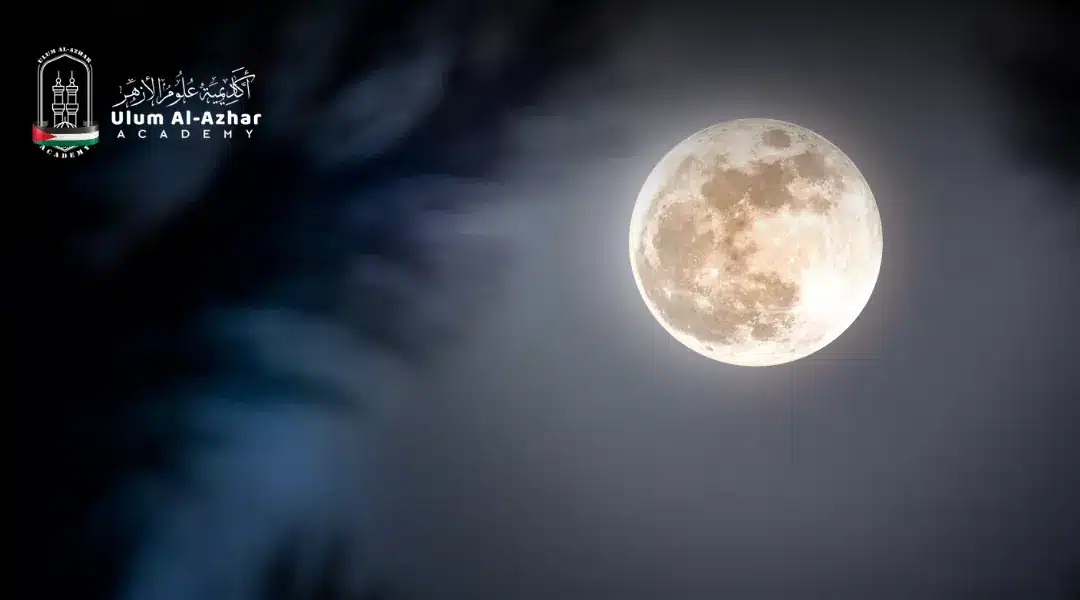
To understand what is the Shab e Barat, we must begin with the term itself. “Shab e Barat” is a Persian-Urdu phrase commonly translated as the Night of Forgiveness. It refers to the night that falls between the 14th and 15th days of the Islamic month of Shaban.
In Arabic sources, this night is referred to as Laylat al-Nisf min Shaban (the Night of the Middle of Shaban). The name “Shab e Barat” does not appear in the Qur’an or in the early Arabic terminology of Islam, but the night itself is mentioned in several prophetic narrations with varying levels of authenticity.
So when people ask what is the Shab e Barat, the most accurate answer is: it is the 15th night of Shaban, a night during which Allah’s mercy and forgiveness are widely discussed in Islamic tradition, though not all associated practices are equally established.
Your personalized Islamic education begins here, with a free consultation session by Al-Azhar-certified Sheikhs from Egypt.
Religious Significance of the 15th of Shaban in Islam
The Night of the Middle of Shaban has been mentioned in several hadiths concerning its virtue; some of these narrations are acceptable as evidence, while others are weak. Among those that are suitable for reliance is the narration reported from Abu Tha‘labah al-Khushani رضي الله عنه, who said that the Messenger of Allah ﷺ said:
“When it is the night of the middle of Shaban, Allah looks at His creation and forgives the believers, grants respite to the disbelievers, and leaves the people of hatred with their hatred until they abandon it.” reported by al-Tabarani and was graded as hasan (good) by al-Albani.
It is also narrated from Abu Musa رضي الله عنه that the Messenger of Allah ﷺ said:
“Indeed, Allah looks upon His creation on the night of the middle of Shaban and forgives all of His creation, except for a polytheist or one who harbors enmity.”
ʿAtaʾ ibn Yasār said:
“There is no night after Laylat al-Qadr that is better than the night of the middle of Shaban. Allah, Blessed and Exalted, descends to the lowest heaven and forgives all of His servants, except a polytheist, one engaged in hostility, or one who severs family ties.”
Therefore, a servant should adorn himself with acts of obedience that make him worthy of the forgiveness of the Most Merciful, and distance himself from sins and acts of disobedience that prevent him from attaining this forgiveness. Among these sins is associating partners with Allah, for it blocks all goodness. Another is harboring resentment and hatred toward fellow Muslims, which deprives a person of forgiveness even during the times of greatest mercy and pardon.
So, when studying what is the Shab e Barat, it is important to understand that its religious significance lies mainly in:
- Encouragement toward repentance
- Purification of the heart
- Seeking forgiveness
- Reconciliation between people
Common Worship Practices on Shab e Barat Night
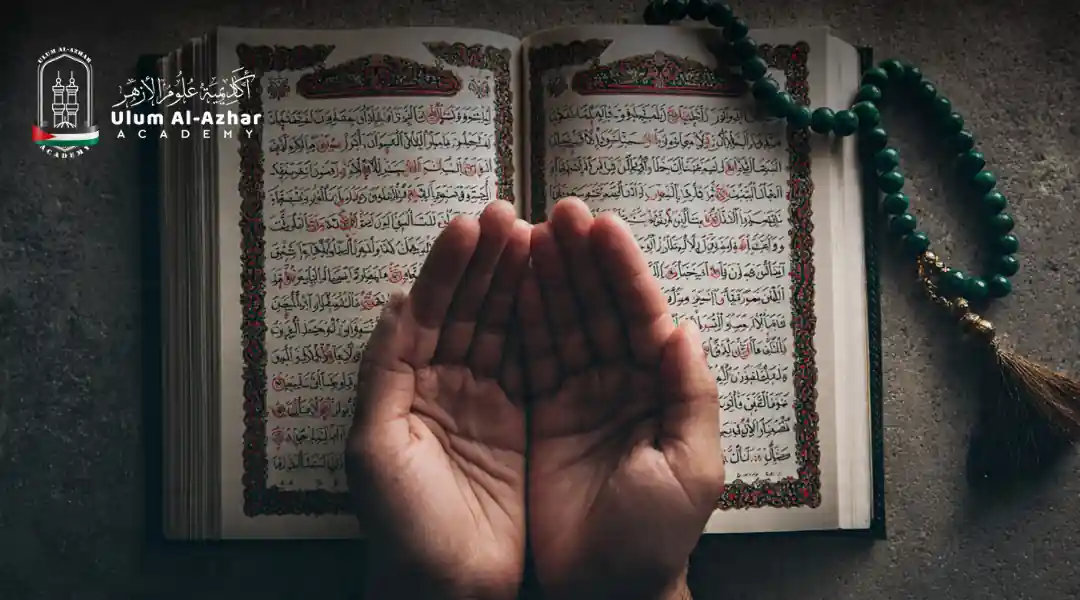
There is no authentic evidence in the Sunnah that prescribes a specific act of worship exclusively for the night of the middle of Shaban. However, the Messenger of Allah ﷺ used to fast in Shaban more than in any other month. Based on the hadiths that indicate the virtue of this night, a Muslim is encouraged to increase acts of obedience in general, such as:
- Voluntary night prayers (qiyam al-layl)
- Making du‘a for forgiveness
- Seeking Allah’s mercy
- Reflecting on the Quran.
- Fasting on the 15th day of Shaban (as a voluntary fast)
When asking what is the Shab e Barat, it is essential to understand that:
- There is no authentic narration specifying a special prayer with a fixed number of rak‘ahs for this night.
- There is no authentic du‘a prescribed exclusively for the 15th of Shaban.
- Acts of worship should be performed individually and quietly, without turning the night into a formal religious festival.
Cultural Traditions vs Authentic Islamic Teachings
One of the most important discussions surrounding what is the Shab e Barat is the difference between culture and religion.
In many regions, cultural customs have become strongly attached to this night, such as:
- Lighting candles or lamps
- Preparing specific foods
- Distributing sweets
- Visiting graves in a ceremonial manner
- Believing that souls return to homes
Nothing has been authentically reported from the Prophet ﷺ or from any of his Companions regarding celebrating the night of the middle of Shaban. The earliest appearance of such practices was among some of the Followers (the Tābiʿūn).
Ibn Rajab said in Laṭāʾif al-Maʿārif:
“As for the night of the middle of Shaban, the Followers among the people of Syria—such as Khalid ibn Maʿdan, Makhul, Luqman ibn ʿAmir, and others—used to venerate it and exert themselves in acts of worship during it, and from them the people took its virtue and its veneration.”
Understanding what is the Shab e Barat requires separating emotional attachment and inherited customs from verified religious guidance. Islam encourages remembrance of death and visiting graves, but without assigning specific nights or rituals unless proven.
Scholarly Views on the Importance of Shab e Barat
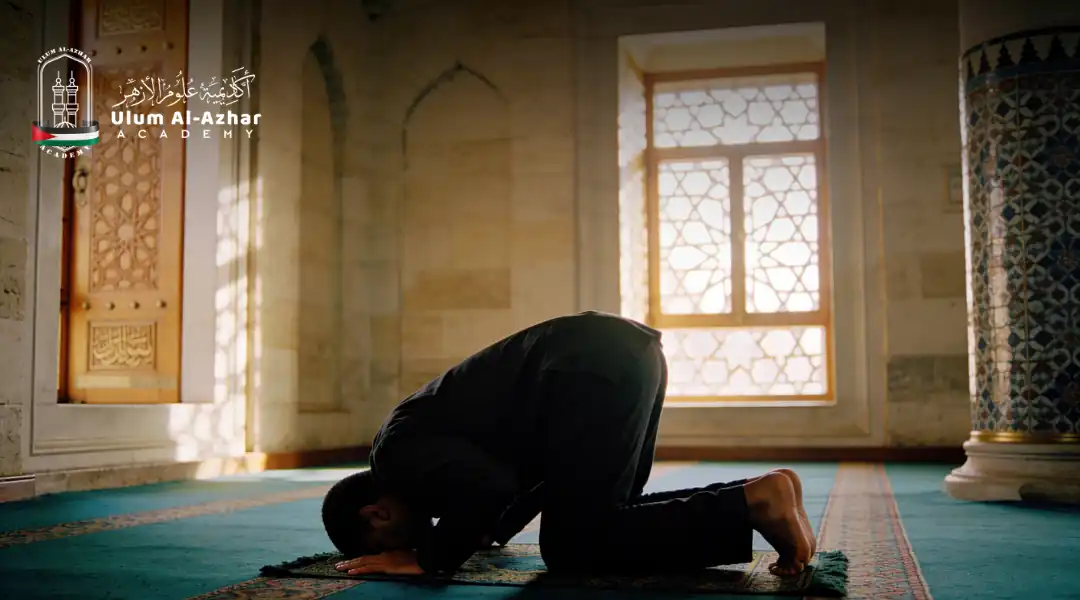
From a scholarly perspective, general acts of worship are permissible, as long as they are not believed to be obligatory or uniquely prescribed for this night.
Ibn Taymiyyah رحمه الله said: “As for the night of the middle of Shaban, it does have virtue, and among the early generations there were those who used to pray during it; however, gathering to observe it collectively in the mosques is an innovation.”
Imam al-Shafi‘i رحمه الله said:
“It has reached us that supplication is answered on five nights: the night of Friday, the two nights of Eid, the first night of Rajab, and the night of the middle of Shaban.”
As for fasting on the day of the middle of Shaban, it is recommended on the basis that it is one of the three White Days, which are the thirteenth, fourteenth, and fifteenth of the lunar month, and not because the fifteenth of Shaban has a specific, independent virtue on its own.
Scholars throughout Islamic history have held balanced views regarding the 15th of Shaban. Broadly, their opinions can be summarized as follows:
- The night has general virtue: Many scholars accepted that the night carries a form of blessing based on multiple narrations.
- No specific rituals are established: Scholars warned against fixed prayers, collective gatherings, or special formulas believed to be divinely prescribed.
This balanced approach is central to correctly understanding what is the Shab e Barat: a night of opportunity for reflection and forgiveness, not a night of religious obligation or ceremonial innovation.
online Islamic studies program aims to introduce the principles of Islamic sciences: the definitions, objectives, and classifications of different Islamic disciplines. The student will have the opportunity to apply these concepts with qualified teachers from Al Azhar Al Sharif.
Conclusion
So, what is the Shab e Barat in its true Islamic sense? It is the 15th night of Shaban—a time associated with Allah’s mercy and forgiveness according to several narrations. It is not a night with obligatory rituals, fixed prayers, or guaranteed decrees of destiny.
Rather, it is a chance for believers to pause, reflect, seek forgiveness, mend relationships, and spiritually prepare for Ramadan.
Engage in a free consultation with Al-Azhar-certified Sheikhs from Egypt to tailor your Islamic learning experience.
FAQs
What is the Shab e Barat in simple terms?
It refers to the 15th night of Shaban, a night associated with seeking forgiveness and Allah’s mercy.
Is Shab e Barat mentioned in the Qur’an?
The night is not mentioned explicitly in the Qur’an, but it is discussed in several hadith narrations with varying authenticity.
Are there special prayers for Shab e Barat?
There are no authentic reports of specific prayers prescribed exclusively for this night.
Can Muslims fast on the 15th of Shaban?
Yes, fasting is permissible as a voluntary act, especially since fasting in Shaban is generally encouraged.
