
How to Pray on Laylatul Qadr: A Simple Guide for Muslims
Table of Contents
Laylatul Qadr is the greatest night of the entire year. It is the night in which Allah revealed the Qur’an, and He informed us in the Qur’an that it is better than a thousand months.
Allah, the Exalted, says:
“Indeed, We sent it down during the Night of Decree. And what can make you know what the Night of Decree is? The Night of Decree is better than a thousand months. The angels and the Spirit descend therein by permission of their Lord for every matter. Peace it is until the emergence of dawn.” (Surah Al-Qadr: 1–5)
It is also authentically reported that the Messenger of Allah ﷺ said:
“Whoever stands (in prayer) during Laylatul Qadr with faith and seeking reward will have all his previous sins forgiven.”
Observing this night in worship is done through prayer, remembrance of Allah, supplication, recitation of the Qur’an, and other righteous acts.
In this guide, we will explain how to pray on Laylatul Qadr step by step for Muslims in Canada and many other countries, discuss recommended night prayers, and share powerful supplications that can help Muslims make the most of this blessed night.
Start your spiritual growth journey; it begins with free consultation and Al-Azhar-certified Sheikhs in Egypt.

Step-by-Step Guide on how to pray on laylatul qadr
To Know how to pray on Laylatul Qadr we should know that: the night prayer during the nights of Ramadan can be divided into Taraweeh prayer and Tahajjud prayer.
Taraweeh prayer is performed after the ‘Isha prayer, and it is commonly prayed as eight rak‘ahs, followed by three rak‘ahs of Witr.
Tahajjud prayer is performed after midnight, and it may also be prayed as eight rak‘ahs, followed by three rak‘ahs of Witr. Some scholars have said that Tahajjud refers specifically to the night prayer that is performed after a short period of sleep.
However, there cannot be two Witr prayers in one night. Therefore, if a person knows that they will pray Tahajjud later in the night, they should delay the Witr prayer until after Tahajjud, and pray only eight rak‘ahs after ‘Isha during Taraweeh without performing Witr at that time.
It is also not necessary to strictly adhere to a specific number of rak‘ahs in either Taraweeh or Tahajjud. A person may pray two rak‘ahs, or four, or six, and even more than eight rak‘ahs if they wish. This is based on the saying of the Prophet ﷺ:
“The night prayer is offered two rak‘ahs at a time, and when one of you fears the coming of dawn, he should pray one rak‘ah to make what he has prayed an odd number.”
This describes the general manner of performing night prayer. There is no specific prayer that is uniquely prescribed for Laylatul Qadr in the Sunnah. Rather, the Prophet ﷺ encouraged Muslims to spend the night in various acts of worship. He said:
“Whoever stands in prayer during Laylatul Qadr with faith and seeking reward will have his previous sins forgiven.”
The only specific recommendation reported regarding Laylatul Qadr is a particular supplication. It was narrated that ‘Aisha رضي الله عنها said:
“I said: O Messenger of Allah, if I know which night is Laylatul Qadr, what should I say in it?”
He replied:
“Say: Allahumma innaka ‘afuwwun tuhibbul ‘afwa fa‘fu ‘anni.”
“O Allah, You are Most Forgiving, and You love forgiveness, so forgive me.”
So when Muslims wonder exactly how to pray on Laylatul Qadr and what makes the prayer during this night special, the answer is: in reality, the night prayer performed during Laylatul Qadr is part of the voluntary night prayer known as Qiyam al-Layl. The process is simple and accessible to every believer.
- Begin with a sincere intention
- Perform ablution (Wudu)
- Pray voluntary night prayers (Qiyam al-Layl)
- Recite Qur’an during the prayer
- Perform Witr prayer
Understanding how to pray on Laylatul Qadr also means recognizing that the night is not limited to prayer alone. Recitation of Qur’an, remembrance of Allah (dhikr), and sincere supplication are all highly recommended.
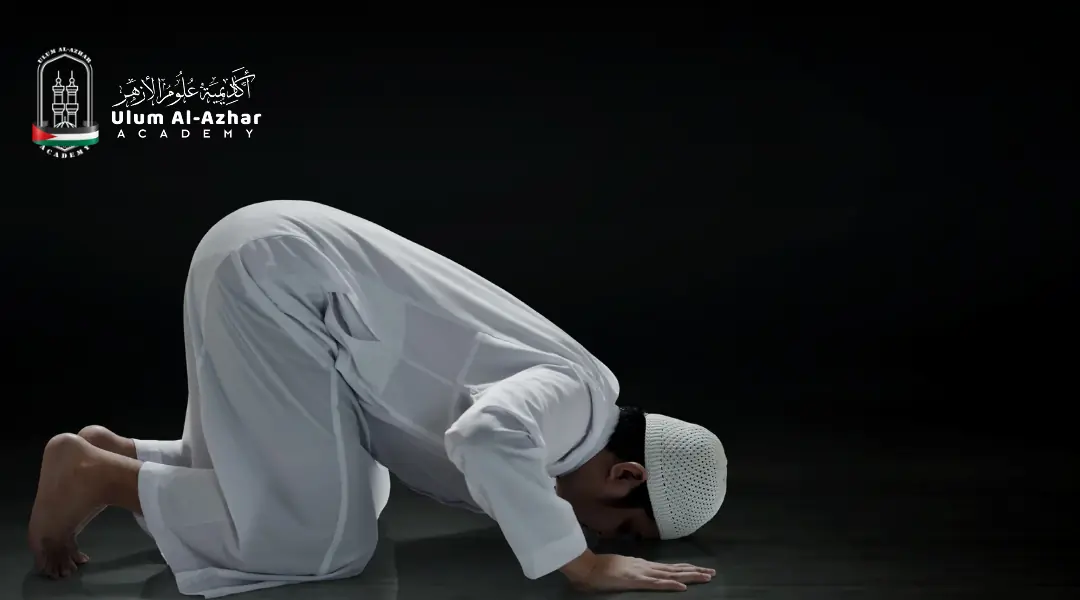
Recommended Rak‘ahs and Night Prayers
When Muslims wonder exactly how to pray on Laylatul Qadr, many people ask: How many rak‘ahs should be prayed during the night prayer in the last ten nights of Ramadan?
The Prophetic practice: It is authentically reported from ‘Aisha رضي الله عنها that the Prophet ﷺ “never exceeded eleven rak‘ahs in Ramadan or at any other time.”
Flexibility in the matter: The majority of scholars hold that there is no fixed maximum limit for night prayer. Therefore, a person may pray 11 rak‘ahs, 13 rak‘ahs, or even 23 rak‘ahs, as the companions used to do during the time of ‘Umar ibn al-Khattab رضي الله عنه.
What matters most is humility, calmness, and sincerity in the prayer, rather than the specific number of rak‘ahs.
When learning how to pray on Laylatul Qadr, it is important to focus on quality rather than quantity. The night prayer should be calm, reflective, and sincere. Standing before Allah with humility is far more important than rushing through many units of prayer.
Powerful Supplications After Night Prayer
Supplication (dua) is one of the most important acts of worship on Laylatul Qadr. After completing prayer, Muslims are encouraged to raise their hands and speak to Allah with sincerity.
One of the most famous supplications taught by the Prophet for this night is:
“Allahumma innaka ‘afuwwun tuhibbul ‘afwa fa‘fu ‘anni.”
“O Allah, You are Most Forgiving, and You love forgiveness, so forgive me.”
When practicing how to pray on Laylatul Qadr, it is also beneficial to make personal supplications such as:
Asking Allah for forgiveness
(اللهم أنت ربي لا إله إلا أنت، خلقتني وأنا عبدك، وأنا على عهدك ووعدك ما استطعت، أعوذ بك من شر ما صنعت، أبوء لك بنعمتك علي، وأبوء بذنبي فاغفر لي، فإنه لا يغفر الذنوب إلا أنت)
“O Allah, You are my Lord; there is no god except You. You created me and I am Your servant, and I remain faithful to Your covenant and promise as much as I can. I seek refuge in You from the evil of what I have done. I acknowledge Your blessings upon me, and I confess my sins to You, so forgive me, for indeed no one forgives sins except You.”
Allahumma anta rabbi la ilaha illa anta, khalaqtani wa ana ‘abduka, wa ana ‘ala ‘ahdika wa wa‘dika mastata‘t, a‘udhu bika min sharri ma sana‘t, abu’u laka bini‘matika ‘alayya, wa abu’u bidhambi, faghfir li fa-innahu la yaghfiru adh-dhunuba illa anta.
Seeking guidance and strong faith
يا مقلب القلوب ثبت قلبي على دينك
“O Turner of the hearts, keep my heart firm upon Your religion.”
Ya Muqallibal-qulub, thabbit qalbi ‘ala dinik.
Asking for success in both this life and the hereafter
ربنا آتنا في الدنيا حسنة وفي الآخرة حسنة وقنا عذاب النار
“Our Lord, grant us goodness in this world and goodness in the Hereafter, and protect us from the punishment of the Fire.”
Rabbana atina fid-dunya hasanah wa fil-akhirati hasanah wa qina ‘adhaban-nar.

Creating a Night Worship Routine in the Last Ten Nights
Because the exact date of Laylatul Qadr is not known, Muslims are encouraged to increase worship throughout the last ten nights of Ramadan. The wisdom behind concealing its exact time is to encourage Muslims to strive more in worship, supplication, and remembrance of Allah throughout all of the last ten nights.
This approach ensures that the believer does not miss the blessed night. A simple worship routine might include:
After Isha prayer
- Perform Taraweeh prayer
- Spend time reciting Qur’an
Late night
- Pray voluntary night prayers with Witr prayer
- Reflect on the meaning of Qur’an
- Engage in dhikr
Before dawn (Suhoor time)
- Make sincere supplications
- Ask Allah for forgiveness
Pray Establishing a consistent routine helps Muslims practice how to pray on Laylatul Qadr without feeling overwhelmed. Even small acts of worship done consistently can bring immense reward.
Practical Advice for Muslims Living in Western Countries
Muslims living in Western countries as Canada and many other countries may face unique challenges during Ramadan, such as work schedules, school commitments, or limited access to mosques. However, learning how to pray on Laylatul Qadr is still very achievable with proper planning. Here are some practical suggestions:
Plan your sleep schedule: Try to sleep earlier in the evening so you can wake up later in the night for prayer.
Create a quiet prayer space: Designate a small area in your home for prayer and reflection.
Pray with family: If possible, gather family members for night prayer. This creates motivation and strengthens spiritual connection within the household.
Use short but meaningful worship sessions: Even if you cannot spend the entire night in prayer, dedicate at least 30 minutes to worship with full focus.
Another helpful tip is to reduce distractions during these nights. Limiting social media, unnecessary conversations, and entertainment can help maintain focus on worship.
Understanding the essential aspects of Islamic purification (Taharah) and prayer practices under the supervision of qualified teachers from Al-Azhar Al-Shariff, Egypt.
Conclusion
Laylatul Qadr is a gift from Allah to the believers. It is a night filled with mercy, forgiveness, and immense reward. Understanding how to pray on Laylatul Qadr allows Muslims to approach this night with confidence and devotion.
By dedicating time to prayer, Qur’an recitation, and supplication during the last ten nights of Ramadan, Muslims can hope to experience the blessings of Laylatul Qadr and draw closer to Allah.
Seize your Islamic learning opportunity: begin with free consultation taught by Al-Azhar-certified Sheikhs from Egypt.
FAQs
What is the best time to pray on Laylatul Qadr?
The best time is during the night after the Isha prayer until the time of Fajr. The last third of the night is especially recommended for supplication and worship.
How many rak‘ahs should I pray on Laylatul Qadr?
There is no fixed number. Muslims may pray as many voluntary rak‘ahs as they are able in sets of two followed by Witr prayer.
Can I pray Laylatul Qadr at home?
Yes. While praying in the mosque can be rewarding, praying at home is perfectly acceptable and still carries great reward.
