
Last 10 Ramadan Nights: Worship Guide for Muslims in Western Countries
Table of Contents
The days and nights of Ramadan have passed quickly. The first ten days have gone, followed by the middle ten, and now only the final third of Ramadan remains—the last 10 ramadan nights
Scholars have unanimously agreed that Ramadan is the best and most virtuous of all months. They have also agreed that its last ten nights are the most blessed part of it and the greatest of its nights. They represent the peak of virtue and the highest level of goodness.
Among these nights, by unanimous agreement, the greatest is Laylatul Qadr (the Night of Decree). It is the best of the last ten nights and indeed the greatest night in existence.
For Muslims living in Canada and other Western countries, maintaining strong spiritual routines during the last 10 ramadan nights can sometimes be challenging due to work schedules, school commitments, and smaller Muslim communities. However, with proper planning and sincere intention, these nights can become the most spiritually transformative time of the entire year.
This guide explains the significance of the last 10 ramadan nights, how the Prophet devoted himself to worship during them, and how Muslims in Western societies can make the most of these blessed nights.
The next step in your Islamic learning journey is here: free consultation with Al-Azhar-certified Sheikhs from Egypt.
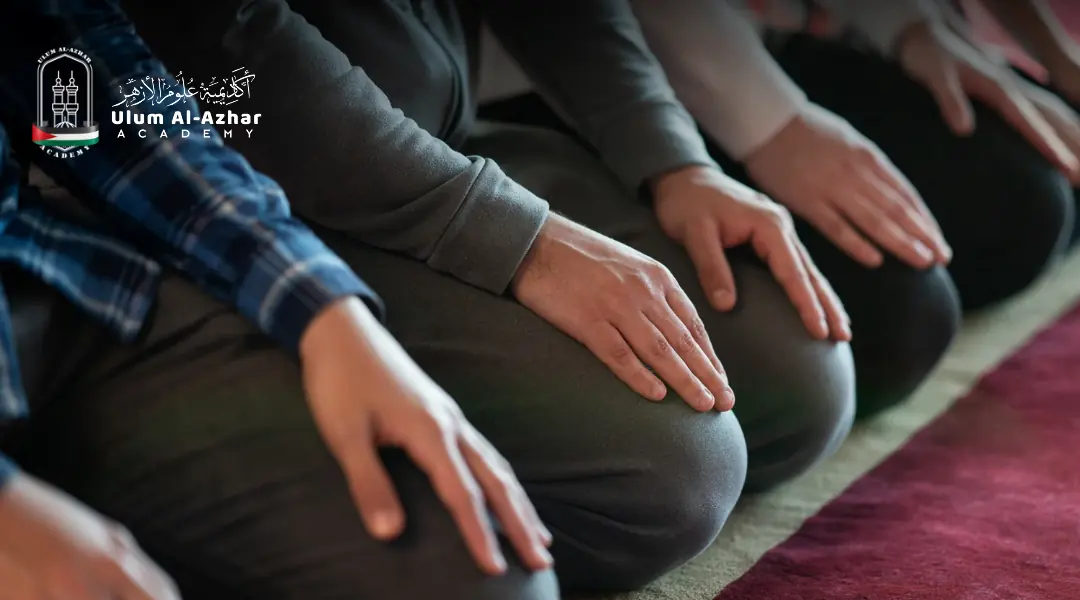
Why the Last 10 Ramadan Nights Are So Important
It is remarkable that people’s determination often weakens during the last 10 ramadan nights. Many become exhausted from fasting, worn out by night prayers, and tired from the long days.
As the month begins to draw to a close, instead of increasing their worship, some reduce their efforts and lessen their devotion—as if they are taking a break from acts of obedience. Yet this is the opposite of what should happen. The principle taught by the Prophet ﷺ is:
“Indeed, actions are judged by their endings.” (Sahih al-Bukhari, 6607)
Deeds are not measured by how they begin or even by what occurs in the middle, but by how they conclude. A person may spend most of Ramadan in worship but grow lazy in its final days and lose the great reward. On the other hand, someone may fall short at the beginning of the month but then seize the opportunity of the last 10 ramadan nights, striving sincerely and ultimately succeeding.
For this reason, the Prophet ﷺ had a special approach during these nights that differed from the rest of the year. The Mother of the Believers, Aisha رضي الله عنها, said:
“The Messenger of Allah ﷺ used to strive in the last ten nights more than he strove at any other time.”
The greatest importance of these nights is that Laylatul Qadr occurs within them, also known as the Night of Decree, it is the night on which the Qur’an was revealed. This night is described in the Qur’an as being better than a thousand months.
The Connection Between These Nights and Laylatul Qadr
All the days of Ramadan are days of recitation, charity, fasting, and night prayer. These are the essential acts of worship in which everyone strives. However, the last 10 ramadan nights are like the “extra credit” that grants you distinction. They are what raise your final record of good deeds to the highest levels.
Within them lies Laylatul Qadr, which is better than a thousand months. Allah Almighty says:
“Indeed, We sent it down during the Night of Decree.
And what can make you know what the Night of Decree is?
The Night of Decree is better than a thousand months.
The angels and the Spirit descend therein by permission of their Lord for every matter.
Peace it is until the emergence of dawn.”
(Surah Al-Qadr 1–5)
Imam Al-Qurtubi رحمه الله explained the verse: “The Night of Decree is better than a thousand months” by clarifying its immense virtue and greatness. He said that the virtue of a time period is known by the abundance of blessings and merits that occur within it. On that night, an immense amount of goodness is decreed—goodness that cannot be found in a thousand months.
Many Qur’anic commentators have also explained that deeds performed during this single night carry rewards greater than deeds performed over a thousand months, that means over more than eighty years.
For Muslims living in Western countries like in Canada and many other countries, these nights are also an opportunity to reconnect with the Muslim community through night prayers, charity efforts, and gatherings focused on worship and reflection.
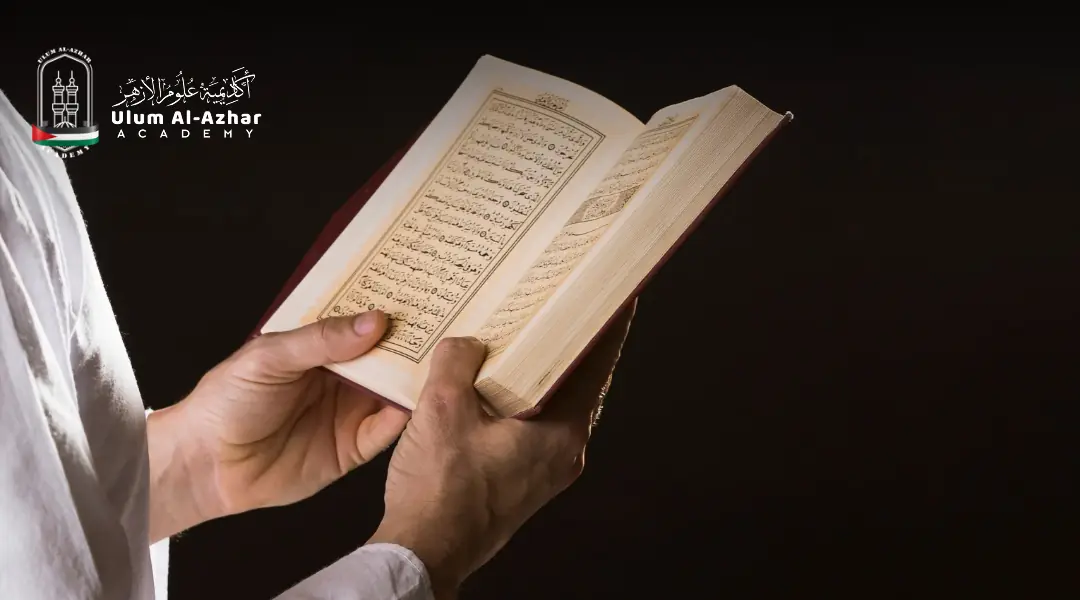
How the Prophet Spent the Last Ten Nights
Allah, the Exalted, has distinguished the last 10 ramadan nights with special virtues that are not found in any other time, and with blessings that cannot be attained elsewhere. The Prophet ﷺ also devoted to these nights acts of worship that he did not practice during the rest of the month. Among these are:
First: Increased striving in worship
The Prophet ﷺ would exert greater effort in acts of worship during these nights than at any other time. Aisha رضي الله عنها said:
“The Messenger of Allah ﷺ would strive in the last ten nights more than he would at any other time.”
Second: Iʿtikāf (Spiritual Retreat) الاعتكاف
Aisha رضي الله عنها reported:
“The Prophet ﷺ used to observe iʿtikāf during the last ten nights of Ramadan until Allah took his soul, and then his wives observed iʿtikāf after him.”
Linguistically, iʿtikāf means to remain devoted to something and to confine oneself to it. In the religious sense, it refers to staying in the mosque while avoiding engagement in worldly matters, in order to dedicate oneself completely to worship and remembrance of Allah.
Third: Seeking Laylatul Qadr
The Prophet’s increased effort and his observance of iʿtikāf were meant to allow him to devote himself fully to worship, to cut himself off from distractions and worldly concerns, and to seek Laylatul Qadr—that noble and blessed night in which Allah has made acts of worship better than those performed over a thousand months.
Know Your Prophet (Attributes & Seerah of Prophet Muhammad PBUH) through Seerah of Prophet Muhammad by studying his life, character, attributes, and teaching style.
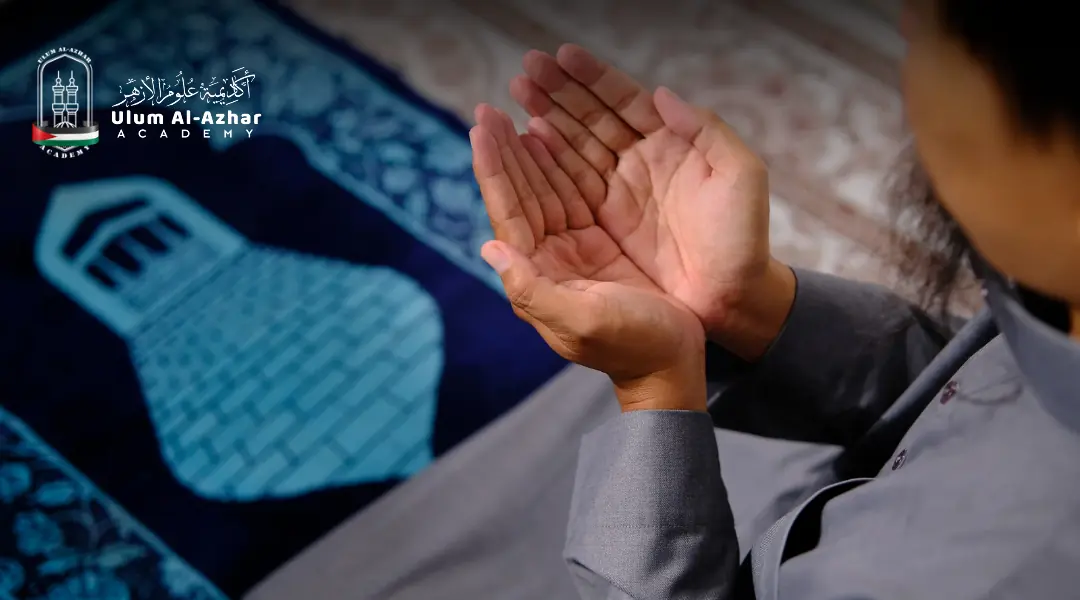
A Practical Worship Schedule for These Nights
Allah, the Almighty, has concealed the exact knowledge of Laylatul Qadr from His servants so that they would increase in worship and strive harder in righteous deeds. In this way, it becomes clear who is truly serious and eager to seek it and who is negligent and careless.
For whoever truly desires something will strive earnestly to attain it, and the effort and fatigue faced along the way will seem insignificant in reaching that goal.
Because the exact date of Laylatul Qadr is not known, Muslims are encouraged to worship intensely throughout all the last 10 ramadan nights to increase their chances of witnessing the blessings of this extraordinary night.
1. Night Prayer (Qiyam al-Layl):
Aisha رضي الله عنها said: “When the last ten nights began, the Messenger of Allah ﷺ would stay up at night in worship, wake his family, and tighten his waistcloth.”
The phrase “he would stay up at night” refers to performing night prayers. This act carries great virtue, as it is a private moment between the servant and his Lord and a time for intimate supplication during the quiet hours of the night. The Prophet ﷺ was keen to perform night prayer regularly and encouraged his companions to do the same.
2. Reciting the Qur’an:
Reciting the Qur’an and reflecting on its meanings are among the best recommended acts of worship during the last ten nights of Ramadan.
3. Charity:
Giving charity during the last ten nights of Ramadan carries immense reward and multiplied blessings, especially when it is given for the sake of Allah. Allah, the Exalted, says:
“Who is it that will lend Allah a goodly loan so that He may multiply it for him many times over?”
(Al-Baqarah: 245)
4. Supplication and Seeking Forgiveness:
The fasting person has a supplication that is not rejected at the time of breaking the fast. The Messenger of Allah ﷺ said:
“Three supplications are not rejected: the supplication of a just leader, the supplication of the fasting person until he breaks his fast, and the supplication of the oppressed.”
Aisha رضي الله عنها reported that she said: “O Messenger of Allah, if I know which night is Laylatul Qadr, what should I say in it?”
He replied: “Say: O Allah, You are Most Forgiving and You love forgiveness, so forgive me.”
Therefore, supplication and seeking forgiveness are among the best acts of worship during Ramadan, especially during the last ten nights because Laylatul Qadr occurs within them.
5. Iʿtikāf (Spiritual Retreat):
Iʿtikāf is a confirmed Sunnah of the Prophet ﷺ and represents a golden opportunity to devote oneself entirely to worship.
Ramadan Night Worship in Western Muslim Communities
Muslims living in Western countries often face unique challenges during Ramadan. Work hours, school schedules, and limited access to mosques can make night worship more difficult.
However, Muslim communities in many Western cities have developed creative ways to support worship during the last 10 ramadan nights.
Many mosques organize extended Taraweeh prayers, night lectures, Qur’an recitation circles, and community iftar events. These gatherings strengthen the sense of unity among Muslims who may otherwise feel isolated.
Families also play an important role in making the last 10 ramadan nights meaningful. Parents often encourage children to participate in prayer, storytelling about Islamic history, and acts of charity.
Technology has also helped Muslims maintain spiritual routines during the last 10 ramadan nights. Online lectures, live-streamed mosque prayers, and Qur’an apps allow believers to stay connected to worship even when physical attendance is not possible.
Muslims in these countries, as well as anywhere else in the world, can also join circles of learning with specialized teachers from Al-Azhar University to study the Holy Qur’an and many branches of Islamic knowledge.
Conclusion
The last 10 ramadan nights represent the most precious opportunity of the entire year for Muslims. They offer a chance to seek forgiveness, deepen faith, and renew one’s commitment to worship.
Among the virtues, distinctions, and special qualities of these ten nights is that Laylatul Qadr occurs within them. Allah the Almighty says:
“Ha, Meem. By the clear Book. Indeed, We sent it down during a blessed night; indeed, We were to warn. In that night every wise matter is decreed—by a command from Us. Indeed, We were to send messengers, as a mercy from your Lord. Indeed, He is the All-Hearing, the All-Knowing.” (Surah Ad-Dukhan 1–6)
The key to success during these nights lies in sincerity, consistency, and hope in the mercy of Allah. By dedicating time and effort to worship during the last 10 ramadan nights, believers open the door to blessings that may shape their entire spiritual journey for years to come.
Ultimately, the most important element of these nights is sincerity. Whether worship takes place in a large mosque, a small prayer space, or a quiet home, the blessings of the last 10 ramadan nights remain accessible to every believer.
Ready for your Islamic learning journey? It all starts with free consultation and our Al-Azhar-certified Sheikhs in Egypt.
FAQs
1. Why are the last 10 ramadan nights so important?
The last 10 ramadan nights are important because they include Laylatul Qadr, the Night of Decree, which is better than a thousand months.
2. Which night is Laylatul Qadr?
Allah, the Almighty, has concealed the exact night from His servants so that they increase in worship and strive in good deeds. It is recommended to seek it during the last 10 ramadan nights, especially the odd-numbered nights.
3. What are the best acts of worship during the last 10 ramadan nights?
The best acts include night prayer (Qiyam or Tahajjud), reciting the Qur’an, making dua, remembering Allah, and giving charity.
