
Does Islam Believe in the Bible? The Islamic View on Holy Books
Have you ever wondered how many divine books Allah revealed? Out of His mercy toward humanity, He did not leave people lost; He sent His messengers along with the heavenly books to guide us and to serve as a reference whenever we lose our way.
What is the stance of religions toward these divine books? does Islam believe in the Bible? and how Muslims understand the relationship between the Quran and previous holy books.
To understand does Islam believe in the Bible, it is important to explore Islamic teachings about revelation, prophecy, and the continuity of divine guidance throughout human history. Islam does not see itself as a new or isolated faith but as a continuation and completion of the same monotheistic message delivered to earlier prophets.
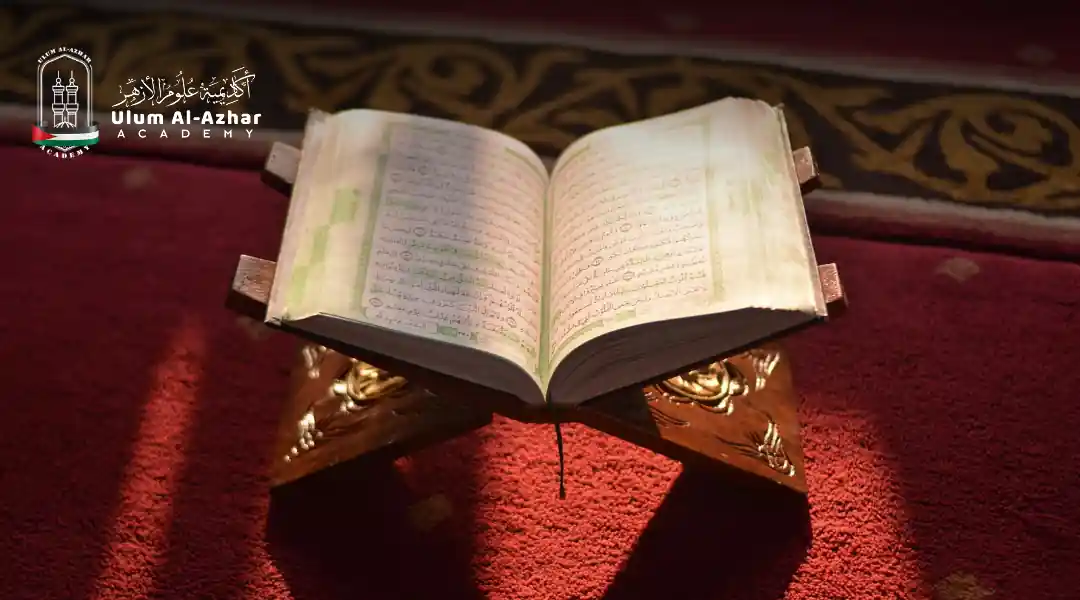
Understanding does islam believe in the bible and What It Means
When people ask does Islam believe in the Bible, the answer is: Belief in all the divine books that Allah the Exalted revealed to His prophets and messengers is a fundamental pillar of faith in Allah. Allah the Almighty says:
“Say, ‘We have believed in Allah and what has been revealed to us and what was revealed to Abraham, Ishmael, Isaac, Jacob, and the Descendants, and what was given to Moses and Jesus, and what was given to the prophets from their Lord. We make no distinction between any of them, and to Him we submit.’” (Al-Baqarah: 136)
In the hadith of the Prophet ﷺ in which he explained the meaning of faith (iman), Islam, and excellence (ihsan), he ﷺ said when defining faith:
“Faith is to believe in Allah, His angels, His books, and His messengers.” Narrated by Muslim.
Seize the opportunity for personalized Islamic learning with a free consultation from Egyptian Al-Azhar Sheikhs.
When we discuss does Islam believe in the Bible, we should clarify two matters here:
The first matter is that Allah, Glorified and Exalted, sent His messengers and revealed His books to them, and He commanded us to believe in all of that: to believe in the messengers whom He sent and in the books which He informed us He revealed to those messengers—may Allah’s prayers and peace be upon them all. He made belief in all of this one of the six pillars of faith.
The second matter is that there no longer remains in people’s hands anything that can be fully trusted as being the news of heaven and the revelation of Allah to His servants except ` which Allah Himself has undertaken to preserve and by which He has bestowed upon His servants the continuation of its light, exactly as Allah revealed it. It has not been affected by distortion, alteration, or change. Allah the Exalted says:
“Indeed, We have sent down the Reminder, and indeed We will surely preserve it.” (Al-Hijr: 9)
As for other books, they have been affected by distortion in some parts and concealment in others, which removes full confidence in what they contain—except insofar as they are measured against the revelation from heaven and its truthful report. Whatever agrees with it is true, and whatever contradicts it is false.
It is narrated from Abu Hurayrah, that he said: The People of the Book used to read the Torah in Hebrew and explain it in Arabic to the Muslims. The Messenger of Allah ﷺ said:
“Do not affirm the People of the Book, nor deny them. Rather say: ‘We believe in Allah and what has been revealed…’” (Al-Baqarah: 136). Narrated by Al-Bukhari.
In another narration reported by Abu Dawud, he ﷺ said: “…For if it is false, do not believe it; and if it is true, do not deny it.”
What Muslims Believe About Prophets and Earlier Revelations
Islam teaches belief in all prophets sent by God, without distinction between them. This belief is essential in understanding does Islam believe in the Bible, as these prophets are central figures in biblical narratives.
Muslims believe that all prophets preached the same core message: worship Allah alone and live according to divine guidance. Differences in religious laws are seen as suitable for different communities and times, not as contradictions in belief.
Muslims Believe that The divine books that Allah the Exalted revealed, and which are mentioned in the Noble Quran and authentic Prophetic hadiths, listed in chronological order according to the time of the messengers, are as follows:
- The Scrolls (Suhuf) revealed to Prophet Abraham عليه السلام: “Indeed, this is in the former scriptures, the scriptures of Abraham and Moses.” (Al-A‘la: 18–19)
- The Psalms (Zabur) revealed to Prophet David عليه السلام: “And to David We gave the Psalms.”
(Al-Isra’: 55) - The Torah and the Scrolls revealed to Prophet Moses عليه السلام: “Indeed, We sent down the Torah, in which was guidance and light.” (Al-Ma’idah: 44)
- The Gospel (Injil) revealed to Prophet Jesus عليه السلام: “And We sent, following in their footsteps, Jesus, the son of Mary, confirming what came before him of the Torah; and We gave him the Gospel.” (Al-Ma’idah: 46)
- The Noble Quran revealed to our Prophet Muhammad ﷺ: —being the last of the divine books—Allah the Exalted says: “The Trustworthy Spirit has brought it down upon your heart so that you may be among the warners, in a clear Arabic language.”
(Ash-Shu‘ara’: 193–195).
Thus, does Islam believe in the Bible can be answered by understanding that Islam believes in the original messages delivered to biblical prophets – without distortion- , while viewing the Quran as the final and most reliable source of divine guidance.
Save time & effort by Ulum Al-Azhar Classes | Tajweed & Talaqqi Mastery Track with Ijazah Sanad where you study Tajweed and Quran, which are aligned with each other by qualified lecturers from Al-Azhar Al-Sharif.
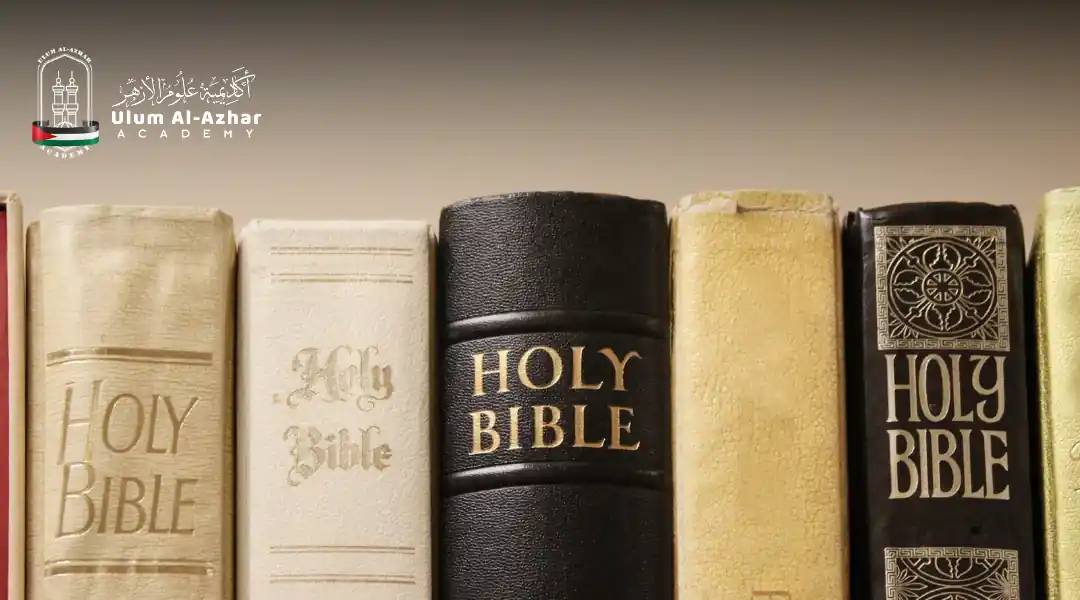
How the Quran Mentions the Torah and Gospel
The Quran speaks respectfully and explicitly about earlier holy books. It mentions the Torah (Tawrah) and the Gospel (Injil) as revelations from God containing guidance and light. These references clarify the Islamic position and help answer does Islam believe in the Bible from a Quranic perspective.
Also, The Quran mentions the Torah and the Gospel as among the divine books revealed by Allah, and a Muslim believes in all of them before they were distorted. The distortion committed by the People of the Book—Jews and Christians—of the Torah and the Gospel is established by definitive evidence from Quranic verses and explicit Prophetic traditions.
As evidence from the Quran, Allah the Exalted says:
“Among those who are Jews are those who distort words from their proper places.” (Al-Ma’idah: 13)
And He also says:
“And among those who are Jews are listeners to falsehood, listeners for other people who have not come to you; they distort words after their proper places.” (Al-Ma’idah: 41)
As for the evidence from the Sunnah, it is reported that ʿUmar ibn al-Khattab copied a book from the Torah in Arabic and brought it to the Prophet ﷺ, and he began reading it. The face of the Prophet ﷺ started to change, whereupon a man from the Ansar said: “Woe to you, O son of al-Khattab! Do you not see the face of the Messenger of Allah ﷺ?” The Messenger of Allah ﷺ then said:
“Do not ask the People of the Book about anything, for they will not guide you, as they have gone astray. You may either deny something that is true or believe something that is false.”
The Prophet’s ﷺ statement, “or believe something that is false,” is evidence that the Torah as it exists today contains distortion and alteration, because the Torah that Moses عليه السلام conveyed through Allah’s revelation contained no falsehood at all; rather, it was entirely truth from Allah.
Seerah of Prophet Muhammad (Peace Be Upon Him) is your key to knowing your prophet as this course will get deep into every aspect of his life: his characteristics, key events, and his interactions with those around him.
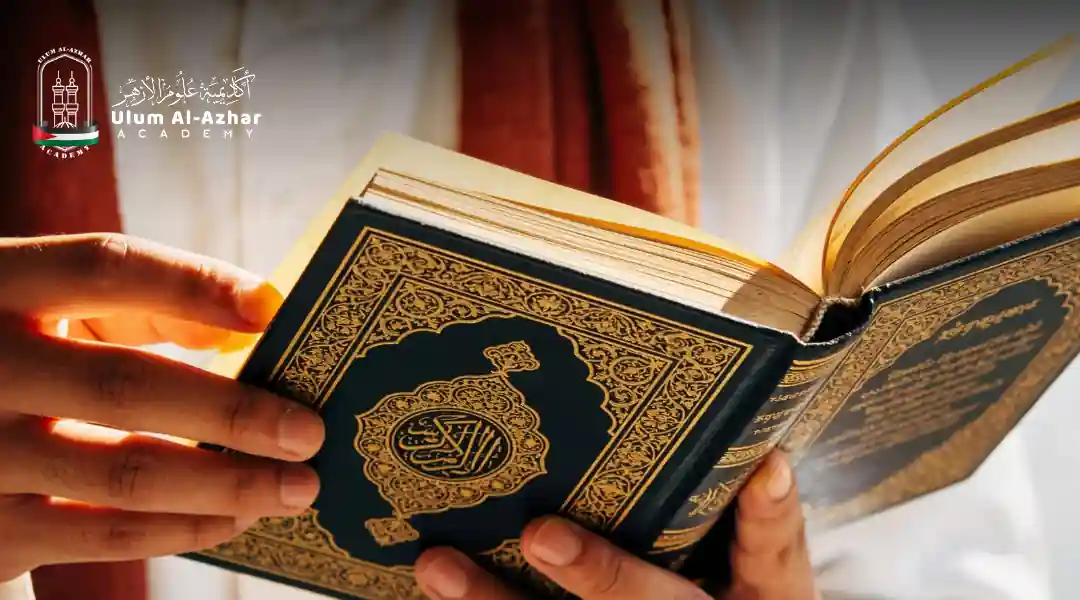
Differences Between the Bible and the Quran in Teachings
A key reason the question does Islam believe in the Bible arises is due to noticeable differences between Islamic and Christian doctrines. To understand The differences Between the Bible and the Quran in Teachings lets know what is the Bible?
The Bible is a collection of sacred books in Christianity and Judaism. It is considered the inspired word of God, recorded by prophets and ancient writers over many centuries. In Christianity, it consists of two main sections: the Old Testament (the Torah and other prophetic books) and the New Testament (the Gospels, the Acts of the Apostles, the Epistles, and the Book of Revelation).
From this definition of the Bible, we can clearly understand the difference between the teachings of the Quran and the teachings of the Bible. The Bible has been altered from the original Torah and Gospel and was written by a group of authors. As for the Quran, it is the only book from Allah that has not been altered; it is the pure word of Allah, revealed through divine inspiration by Angel Jibreel to our Prophet Muhammad, and written down by the Companions of the Messenger of Allah so that it would reach us. Allah has preserved it from distortion until our present time and until the Day of Judgment.
While there are shared moral teachings and narratives between the Bible and the Quran, there are also fundamental theological differences. One major difference lies in the concept of God. Islam teaches absolute monotheism, emphasizing that God is One, unique, and incomparable. Any attribution of divinity to humans or partners to God is rejected. This contrasts with certain theological interpretations found in Christian doctrine.
This difference help explain why Muslims affirm earlier revelations while relying on the Quran as the final authority, further clarifying does Islam believe in the Bible within its theological framework.
Islamic Teachers’ Reflections on Shared Messages
The similarities between the stories of the Quran and those of the Torah and the Gospel—and any resemblance between these sacred books and the Noble Quran—clearly express the unity of the source, which is divine revelation, and indicate that these texts (in their original form) were preserved from distortion. As for the aspects in which they differ from the Quran, this indicates that they were subjected to distortion. The Quran is the criterion that corrects and safeguards them, as Allah the Exalted says:
“And We have revealed to you the Book in truth, confirming what came before it of the Scripture and as a guardian over it.” (Al-Ma’idah: 48)
These shared values demonstrate that Islam does not reject previous faith traditions outright. Instead, it acknowledges their divine origins while inviting people to reflect on the Quran as the culmination of revelation, and this makes the answer of does Islam believe in the Bible is very clear.
You can find a deep view on does Islam believe in the Bible on Hadith Jibril Course (Islam Iman Ihsan): A Path to Understanding.
Conclusion
So, does Islam believe in the Bible? A Muslim’s faith is not complete except by believing in Allah, His angels, His books, His messengers, the Last Day, and divine decree—both its good and its evil. A Muslim believes in all the divine books, but only in what has been authentically preserved from them and not subjected to distortion, which is very little of the Torah and the Gospel As established in the Quran and the Sunnah.
Muslim believes in the entire Noble Quran, for it is the only divine book that has not been altered, and it remains our ultimate reference until the Day of Resurrection.
Your personalized Islamic education begins here, with a free consultation session by Al-Azhar-certified Sheikhs from Egypt.
FAQs
Does Islam believe in the Bible as it exists today?
Islam believes in the original revelations sent to Moses and Jesus عليهما السلام. Therefore, he does not believe in the Bible as it exists today, because it has been subjected to distortion.
Why do Muslims respect the Torah and Gospel?
Because Islam teaches that these books were originally revealed by Allah as guidance for earlier communities.
Does Islam believe in Jesus mentioned in the Bible?
Yes, Islam believes in Jesus as a prophet and messenger of Allah, born miraculously, but not as God.
Why is the Quran considered final?
because It is the only book that Allah has preserved from distortion, and it includes the correct divine teachings by which we must worship Allah.
