
Sexual Relations During Ramadan: Rules and Consequences
Table of Contents
One of the greatest objectives of marriage in the pure Islamic law is that love and mercy prevail between spouses, and upon this foundation marital life should be built. Allah the Exalted says:
“And among His signs is that He created for you from yourselves spouses that you may find tranquility in them, and He placed between you affection and mercy.” (Surah Ar-Rum 21)
Al-Hafiz Ibn Kathir رضي الله عنه said:
“Affection (mawaddah) means love, and mercy (rahmah) means compassion.”
And part of affection and mercy is that each spouse gives the other their rightful due. Among the rights that each spouse has over the other is that they help one another maintain chastity. For this reason, many people ask about the nature of the sexual relations during ramadan between spouses: how should they be, and are there specific guidelines governing them?
Understanding the rulings related to sexual relations during Ramadan is essential for married couples – especially new Muslims in Canada and other Western countries- who wish to observe the fast correctly while maintaining harmony and mutual respect.
We present a clear, comprehensive explanation of the Islamic rulings, differences between daytime and nighttime relations, consequences of violations, and practical guidance for couples during Ramadan.
Islamic Ruling on Sexual Relations During Ramadan
Islam did not prohibit sexual relations during Ramadan between spouses in an absolute sense; rather, it set clear guidelines and boundaries for them.
During the daylight hours of Ramadan—from dawn (Fajr) until sunset (Maghrib)—sexual relations during Ramadan are strictly prohibited for those who are fasting. This includes full intercourse and any act that clearly leads to sexual gratification resulting in ejaculation.
The prohibition is based on clear textual evidence that fasting requires abstention from physical desires, including sexual activity, during the day. The fast is not merely hunger and thirst; it is a holistic act of devotion involving the body, mind, and soul.
At the same time, Islam acknowledges that human beings have natural desires. Therefore, the prohibition is limited to fasting hours only, not the entire month.
Begin your unique Islamic learning path with a free consultation led by Al-Azhar-certified Sheikhs from Egypt.

Difference Between Daytime and Nighttime Relations
A key distinction in understanding sexual relations during Ramadan lies in the difference between daytime and nighttime.
Daytime (While Fasting)
A husband’s relationship with his wife during the daytime in Ramadan is similar to his relationship with food and drink. Sexual relations during Ramadan during the daytime is forbidden (haram). He must not approach his wife for the purpose of fulfilling sexual desire. However, he may speak with her, sit with her, teach her, learn with her, and engage in other permissible interactions that do not involve intercourse or its preliminaries.
As for the preliminaries of intercourse—such as touching, kissing, embracing, and direct physical intimacy—the basic principle is to avoid them, because they are connected to desire, which Allah has praised the fasting person for abandoning as a means of drawing closer to Him, Glorified and Exalted. This is indicated in the Hadith Qudsi in which Allah says:
“…He gives up his food, his drink, and his desire for My sake.”
Nighttime (After Maghrib Until Fajr)
Sexual relations during Ramadan at night are fully permissible and not forbidden between spouses.This permissibility continues until the time of dawn begins; once dawn breaks, intercourse becomes prohibited.
Allah the Exalted says:
“It has been made lawful for you, on the nights of fasting, to be intimate with your wives. They are a garment for you and you are a garment for them. Allah knows that you were betraying yourselves, so He accepted your repentance and pardoned you. So now have relations with them and seek what Allah has decreed for you. And eat and drink until the white thread of dawn becomes distinct to you from the black thread. Then complete the fast until night.”
(Al-Baqarah 187)
This verse clearly states the permissibility of eating, drinking, and sexual intercourse during the nights of Ramadan until dawn. After intercourse, it is obligatory to perform the ritual bath (ghusl) and then pray the Fajr prayer.
Consequences of Intercourse While Fasting
The consequences of sexual relations during Ramadan fall into several cases:
– If kissing or any of the preliminaries of intercourse occur during the daytime in Ramadan, and the husband or wife experiences pleasure that leads to sexual gratification, then the fast is invalidated by scholarly consensus. In this case, making up the missed day (qada’) is required, along with sincere repentance and seeking forgiveness.
– However, if full sexual relations during Ramadan in daytime sexual -intercourse takes place intentionally-, then both spouses have committed a sin, and they are required to make up the fast as well as offer expiation (kaffarah).
So, If a person knowingly and willingly engages in sexual relations during Ramadan while fasting, the consequences include:
- Invalidation of the Fast
The fast of that day becomes null and void, but a person also abstains from food and drink until the end of the day. - Obligation to Make Up the Fast (Qada)
The person must fast another day after Ramadan to replace the invalidated fast. - Obligation of Kaffarah (Expiation)
In addition to making up the fast, a severe expiation is required, which will be explained in detail below. - To repent sincerely and never return to it again.
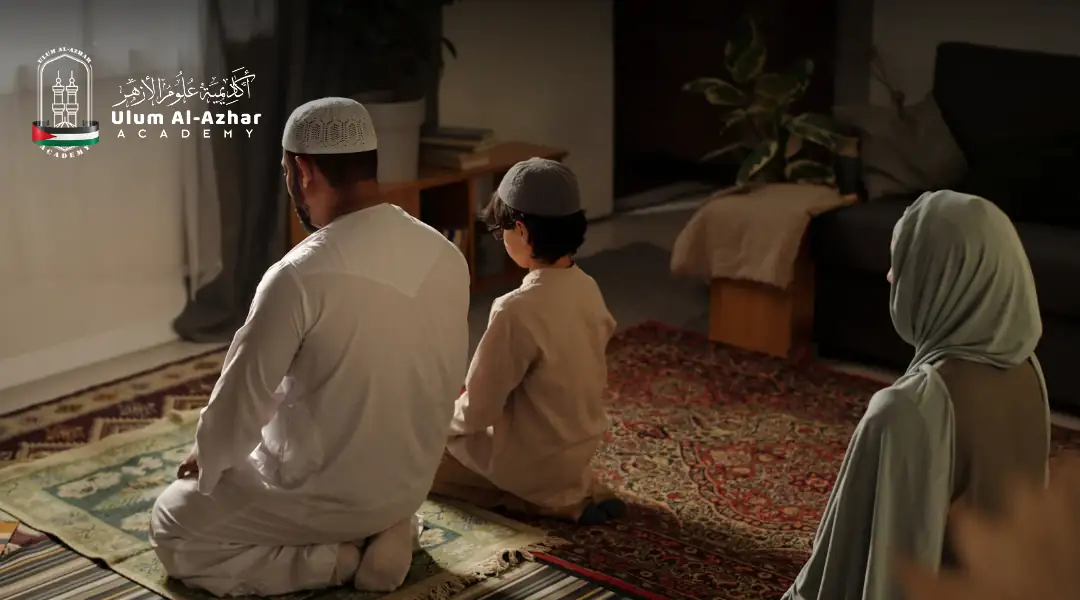
Kaffarah and Repentance Explained Clearly
Therefore, based on what has preceded, full sexual relations during Ramadan during the daytime is prohibited for both the man and the woman upon whom fasting is obligatory.
Committing this act entails sin and requires expiation (kaffarah). The kaffarah is as follows: –
– freeing a slave; if one cannot do so,
– then fasting two consecutive months; and if one is unable to do that,
– then feeding sixty poor people.
It is narrated on the authority of Abu Huraira رضي الله عنه who said:
While we were sitting with the Prophet Muhammad ﷺ , a man came to him and said, “O Messenger of Allah, I am ruined.” He said, “What has happened to you?”
The man said, “I had intercourse with my wife while I was fasting [in Ramadan].” The Messenger of Allah ﷺ said, “Can you find a slave to free?” He said, “No.” He said, “Are you able to fast two consecutive months?” He said, “No.” He then said, “Can you feed sixty poor people?” He said, “No.”
The Prophet ﷺ then remained silent for a while. While we were in that state, the Prophet ﷺ brought a large basket (ʿaraq) of dates. He said, “Where is the one who asked?” The man said, “I am here.”
He said, “Take this and give it in charity.” The man said, “Should I give it to someone poorer than me, O Messenger of Allah? By Allah, there is no household between its two lava plains more in need than my household.” The Prophet ﷺ laughed until his molar teeth became visible, then he said, “Feed it to your family.”
Know Your Prophet (Attributes & Seerah of Prophet Muhammad PBUH) through Seerah of Prophet Muhammad by studying his life, character, attributes, and teaching style.
Sincere Repentance (Tawbah)
Alongside kaffarah, sincere repentance is essential. True repentance includes:
- Feeling genuine remorse
- Immediately stopping the sinful act
- Resolving never to repeat it
- Seeking forgiveness from Allah
Islam emphasizes that Allah’s mercy is vast. Even serious mistakes related to sexual relations during Ramadan do not close the door to forgiveness for those who repent sincerely.
How Couples Maintain Spiritual Focus in Ramadan
One of the matters that has the greatest impact on increasing affection and love between spouses is that they come together in obedience to Allah and worship during this blessed month.
It may be that both spouses, or one of them, fall short in this regard during the rest of the year, but the month of Ramadan arrives with its faith-filled atmosphere and acts of worship that bring the spouses together.
– Each spouse should encourage the other to worship and help them remain steadfast. If one of them becomes negligent, they should find in their life partner someone who renews their determination and restores their energy. The Prophet Muhammad ﷺ said:
“If a man wakes his wife during the night and they pray, or each prays two units of prayer, they are recorded among those men and women who remember Allah.”
– Ramadan is also an important opportunity to strengthen family ties and social relationships with the families of both husband and wife, as well as with neighbors, through visiting one another, making phone calls, and inviting others to break the fast.
– During the month of Ramadan, the entire family gathers to break the fast thirty times, which gives the spouses valuable opportunities to invest these gatherings in strengthening their relationship with each other and with their children through dialogue, exchanging conversation, discussing problems, and resolving them.
– Among the matters that a wife should take into consideration is managing the household budget during Ramadan and being mindful of the husband’s financial capacity and circumstances. Some women may prepare long lists of demands that burden the husband, waste time for both of them, and distract them from the higher purpose of this blessed month.
– Likewise, the husband should assist his wife with household responsibilities and caring for the children, and duties should be distributed in a balanced manner that ensures the wife has sufficient time and support for worship and obedience. There is no shame or fault in this for a man; rather, it is among the finest qualities and noble traits of honorable men. The Prophet Muhammad ﷺ said:
“The best of you are the best to their families, and I am the best of you to my family.”
When the Mother of the Believers Aisha رضي الله عنهاwas asked what the Prophet ﷺ used to do when he entered his home, she replied:
“He would be in the service of his family, and when the time for prayer came, he would go out and pray.”
They should also help one another in obeying the command of Allah by refraining from engaging in sexual relations during Ramadan throughout the daytime by exercising self-restraint, mutual understanding, and cooperation.
– Avoiding suggestive speech, images, or behaviors during the day minimizes temptation related to sexual relations during Ramadan.
Learn Shariah through the method of Talaqqi Kitab Turath (Traditional Study) and get certificates endorsed by scholars from AL Azhar (Ijazah Sanad).
Conclusion
The month of Ramadan, with its unique spiritual fragrance and the beautiful meanings it carries, adds greater radiance and brightness to married life. It wipes away the dust of disagreement and discord, eases the burdens and hardships of life from spouses, brings hearts closer together, elevates souls, and allows husband and wife to emerge from this month with greater love, affection, and harmony.
For this to be achieved, there are certain matters that spouses must observe during this blessed month, foremost among them being obedience to the command of Allah by refraining from engaging in sexual relations during Ramadan during the daytime.
Islamic teachings clearly state that intimate relations between spouses during the daytime of Ramadan are prohibited, and whoever commits them is required to repent, make up the missed fast, and offer expiation (kaffarah).
For personalized Islamic learning, get a free consultation session with Al-Azhar-certified Sheikhs based in Egypt.
FAQs
Is sexual relations during Ramadan allowed at night?
Yes, sexual relations during Ramadan are completely allowed between spouses after sunset until dawn.
Does kissing break the fast?
Kissing does not break the fast by itself, but it is discouraged if it leads to arousal or ejaculation.
What happens if someone has sexual relations during Ramadan by mistake?
If it happens unintentionally or due to forgetfulness, there is no sin, and the fast remains valid.
Can couples sleep together during Ramadan?
Yes, sleeping together is allowed as long as sexual relations during Ramadan do not occur during fasting hours.
