

Best Duas Laylatul Qadr Every Muslim Should Recite Tonight
Table of Contents
It is part of Allah’s wisdom that He concealed Laylatul Qadr within Ramadan so that the fasting believer would strive to seek it—especially during the last ten nights—just as the Messenger of Allah ﷺ used to do, hoping to encounter the blessed Night of Decree.
Laylatul Qadr is one of the most sacred nights in Islam. Allah describes it in the Qur’an as a night that is “better than a thousand months”, meaning that acts of worship performed during this night carry rewards greater than those performed for more than eighty-three years. Because of this extraordinary virtue, Muslims throughout the world, as Canada and many other countries, strive to spend the night in prayer, remembrance, and heartfelt supplication.
Among the greatest acts of worship on this blessed night is making duas laylatul qadr. Supplication is a direct conversation between a servant and the Creator. During Laylatul Qadr, the doors of mercy are wide open, sins are forgiven, and sincere prayers are answered by the will of Allah.
We will explore the most authentic supplications reported in the Sunnah, the famous dua taught by the Prophet ﷺ for Laylatul Qadr, examples of personal prayers Muslims can make, and guidance on the best time to recite duas laylatul qadr. We will also discuss how new Muslims in Canada can develop a meaningful habit of supplication during this powerful night.
Embark on your custom Islamic learning path through a free consultation session led by Egyptian Al-Azhar Sheikhs.

The Famous Dua Taught by the Prophet for Laylatul Qadr
Among all duas laylatul qadr, the most famous and widely recommended one was taught directly by the Prophet ﷺ to his wife Aisha رضي الله عنها. She asked the Prophet: “If I know which night is Laylatul Qadr, what should I say during it?”
He replied:
“Allahumma innaka ‘afuwwun tuhibbul ‘afwa fa‘fu ‘anni.”
Meaning:
“O Allah, You are Most Forgiving, and You love forgiveness, so forgive me.”
Al-‘Afuw (The Pardoner): its root meaning is erasing and effacing. It is derived from the expression “the winds erased the traces” when they cover and wipe them away. Al-‘Afuw is one of the Beautiful Names of Allah. It indicates the vastness of His pardon for the sins of His servants, no matter how great they are, if they repent and turn back to Him.
Al-Karīm (The Most Generous): the One who is noble, abundant in goodness, and immense in benefit.
The fact that the Prophet ﷺ specifically taught this supplication for this blessed night—Laylatul Qadr—as indicated in the hadith of ʿĀ’ishah رضي الله عنها, clearly shows its great importance. Seeking ‘afw means asking Allah, the Exalted, to overlook the sin and refrain from punishing it.
The phrase “You love to pardon” means that Allah loves His Names and Attributes, and He loves that His servants worship Him through them and act according to their meanings and implications. Allah also loves that His servants pardon one another in matters where pardon is beloved to Him.
This request is extremely significant because when sins are pardoned and punishment for them is withheld, the servant is protected from the afflictions and hardships that may descend upon him. Sins and acts of disobedience are among the greatest causes for calamities to occur and for blessings to be removed in this world. As for the Hereafter, pardon leads to a beautiful reward—entering the everlasting bliss.
It is also clear that beginning the supplication by invoking two noble Names of Allah before making the request carries great significance in attaining what one hopes for from Him.
Repeating this supplication throughout the night—after prayers, during prostration, and in quiet moments of reflection—is one of the most beloved acts of worship. It remains one of the central duas laylatul qadr practiced by Muslims across the world.

Most Authentic Duas Laylatul Qadr From the Sunnah
The most reliable duas laylatul qadr are those reported from the Prophet Muhammad ﷺ. These supplications are concise, meaningful, and filled with deep spiritual wisdom. They teach Muslims how to ask Allah for forgiveness, guidance, and goodness in both this life and the next.
One well-known supplication that Muslims often recite during the night is:
“Rabbana atina fid-dunya hasanah wa fil-akhirati hasanah wa qina ‘adhab an-nar.”
Meaning:
“Our Lord, grant us goodness in this world and goodness in the Hereafter, and protect us from the punishment of the Fire.”
This dua combines three essential requests: goodness in this life, success in the Hereafter, and protection from Hellfire. Because it includes the most important needs of a believer, it is frequently recited among the recommended duas laylatul qadr.
The Messenger of Allah ﷺ used to advise Lady Aisha to make comprehensive and concise supplications. The following comprehensive duas can help you in your supplication tonight:
اللهم أعوذُ برضاك من سخطِك، وبمعافاتِك من عقوبتِك، وأعوذُ بك منك، لا أُحصي ثناءً عليك أنت كما أثنيتَ على نفسِك.
O Allah, I seek refuge in Your pleasure from Your anger, and in Your forgiveness from Your punishment. I seek refuge in You from You. I cannot fully praise You; You are as You have praised Yourself.
Transliteration:
Allahumma a‘ūdhu biridāka min sakhatik, wa bimu‘āfātika min ‘uqūbatik, wa a‘ūdhu bika minka. Lā uḥṣī thanā’an ‘alayk, anta kamā athnayta ‘alā nafsik.
اللَّهُمَّ إِنِّي أَسْأَلُكَ مِنَ الْخَيْرِ كُلِّهِ عَاجِلِهِ وَآجِلِهِ، مَا عَلِمْتُ مِنْهُ وَمَا لَمْ أَعْلَمْ، وَأَعُوذُ بِكَ مِنَ الشَّرِّ كُلِّهِ عَاجِلِهِ وَآجِلِهِ، مَا عَلِمْتُ مِنْهُ وَمَا لَمْ أَعْلَمْ. اللَّهُمَّ إِنِّي أَسْأَلُكَ مِنْ خَيْرِ مَا سَأَلَكَ عَبْدُكَ وَنَبِيُّكَ، وَأَعُوذُ بِكَ مِنْ شَرِّ مَا عَاذَ بِهِ عَبْدُكَ وَنَبِيُّكَ. اللَّهُمَّ إِنِّي أَسْأَلُكَ الْجَنَّةَ وَمَا قَرَّبَ إِلَيْهَا مِنْ قَوْلٍ أَوْ عَمَلٍ، وَأَعُوذُ بِكَ مِنَ النَّارِ وَمَا قَرَّبَ إِلَيْهَا مِنْ قَوْلٍ أَوْ عَمَلٍ، وَأَسْأَلُكَ أَنْ تَجْعَلَ كُلَّ قَضَاءٍ قَضَيْتَهُ لِي خَيْرًا.
O Allah, I ask You for all good—immediate and delayed—what I know of it and what I do not know. I seek refuge in You from all evil—immediate and delayed—what I know of it and what I do not know. O Allah, I ask You for the good that Your servant and Prophet asked You for, and I seek refuge in You from the evil from which Your servant and Prophet sought refuge.
O Allah, I ask You for Paradise and whatever brings one closer to it of words or deeds, and I seek refuge in You from the Fire and whatever brings one closer to it of words or deeds. And I ask You to make every decree You decree for me good.
Transliteration:
Allahumma innī as’aluka minal-khayri kullihi ‘ājilihi wa ājilih, mā ‘alimtu minhu wa mā lam a‘lam. Wa a‘ūdhu bika min ash-sharri kullihi ‘ājilihi wa ājilih, mā ‘alimtu minhu wa mā lam a‘lam. Allahumma innī as’aluka min khayri mā sa’alaka ‘abduka wa nabiyyuk, wa a‘ūdhu bika min sharri mā ‘ādha bihi ‘abduka wa nabiyyuk. Allahumma innī as’alukal-jannah wa mā qarraba ilayhā min qawlin aw ‘amal, wa a‘ūdhu bika minan-nār wa mā qarraba ilayhā min qawlin aw ‘amal. Wa as’aluka an tajal kulla qaḍā’in qaḍaytahu lī khayran.
اللَّهمَّ بعِلمِكَ الغيبَ وقدرتِكَ على الخلقِ أحيني ما علمتَ الحياةَ خيرًا لي، وتوفَّني إذا علمتَ الوفاةَ خيرًا لي، وأسألُكَ خشيتَكَ في الغيبِ والشهادةِ، وكلمةَ الإخلاصِ في الرِّضا والغضبِ، وأسألُكَ نعيمًا لا ينفدُ، وقرةَ عينٍ لا تنقطعُ، وأسألُكَ الرِّضا بالقضاءِ، وبردَ العيشِ بعد الموتِ، ولذَّةَ النظرِ إلى وجهِكَ، والشوقَ إلى لقائِكَ، وأعوذُ بك من ضرَّاءٍ مُضرَّةٍ وفتنةٍ مُضلَّةٍ. اللهم زيِّنَّا بزينة الإيمان واجعلنا هداةً مهتدين.
O Allah, by Your knowledge of the unseen and Your power over creation, keep me alive as long as You know that life is better for me, and cause me to die when You know that death is better for me. I ask You for reverence of You in private and in public, and for the word of sincerity in times of pleasure and anger. I ask You for everlasting bliss and unending comfort of the eyes.
I ask You for contentment with Your decree, a pleasant life after death, the delight of looking at Your Face, and longing to meet You. I seek refuge in You from harmful hardship and misleading trials. O Allah, adorn us with the beauty of faith and make us guides who are rightly guided.
Transliteration:
Allahumma bi‘ilmikal-ghaybi wa qudratika ‘alal-khalq, aḥyinī mā ‘alimtal-ḥayāta khayran lī, wa tawaffanī idhā ‘alimtal-wafāta khayran lī. Wa as’aluka khashyataka fil-ghaybi wash-shahādah, wa kalimatal-ikhlāṣ fir-riḍā wal-ghaḍab. Wa as’aluka na‘īman lā yanfad, wa qurrata ‘aynin lā tanqatea’. Wa as’alukar-riḍā bil-qaḍā’, wa bardal-‘aysh ba‘dal-mawt, wa ladhdhatan-naẓar ilā wajhik, wash-shawq ilā liqā’ik. Wa a‘ūdhu bika min ḍarrā’a muḍirrah wa fitnatin muḍillah. Allahumma zayyinnā be zenat Al-Iman wa eja’lna hudah muhtaden.
اللَّهُمَّ اغْفِرْ لِحَيِّنَا وَمَيِّتِنَا وَصَغِيرِنَا وَكَبِيرِنَا وَذَكَرِنَا وَأُنْثَانَا وَشَاهِدِنَا وَغَائِبِنَا. اللَّهُمَّ مَنْ أَحْيَيْتَهُ مِنَّا فَأَحْيِهِ عَلَى الْإِيمَانِ، وَمَنْ تَوَفَّيْتَهُ مِنَّا فَتَوَفَّهُ عَلَى الْإِسْلَامِ. اللَّهُمَّ لَا تَحْرِمْنَا أَجْرَهُ، وَلَا تُضِلَّنَا بَعْدَهُ.
O Allah, forgive our living and our dead, our young and our old, our males and our females, those present among us and those absent. O Allah, whoever among us You keep alive, keep him alive upon faith, and whoever among us You cause to die, let him die upon Islam. O Allah, do not deprive us of his reward and do not lead us astray after him.
Transliteration:
Allahummaghfir liḥayyinā wa mayyitinā wa ṣaghīrinā wa kabīrinā wa dhakarinā wa unthānā wa shāhidinā wa ghā’ibinā. Allahumma man aḥyaytahu minnā fa-aḥyihi ‘alal-īmān, wa man tawaffaytahu minnā fatawaffahu ‘alal-islām. Allahumma lā taḥrimnā ajrah, wa lā tuḍillanā ba‘dah.
اللهم انفعني بما علمتني وعلمني ما ينفعني وزدني علماً.
O Allah, benefit me with what You have taught me, teach me what will benefit me, and increase me in knowledge.
Transliteration:
Allahumma-nfa‘nī bimā ‘allamtanī wa ‘allimnī mā yanfa‘unī wa zidnī ‘ilmā.
اللَّهُمَّ إنِّي أَعُوذُ بكَ مِن زَوَالِ نِعْمَتِكَ، وَتَحَوُّلِ عَافِيَتِكَ، وَفُجَاءَةِ نِقْمَتِكَ، وَجَمِيعِ سَخَطِكَ.
O Allah, I seek refuge in You from the loss of Your blessings, the change of Your protection, the suddenness of Your punishment, and all of Your displeasure.
Transliteration:
Allahumma innī a‘ūdhu bika min zawāli ni‘matik, wa taḥawwuli ‘āfiyatik, wa fujā’ati niqmatik, wa jamī‘i sakhaṭik.
كان رسولُ اللهِ صلَّى اللهُ عليه وسلَّم يتعوَّذُ من جهد البلاء، ودرك الشقاء، وسوء القضاء، وشماتة الأعداء.
The Messenger of Allah ﷺ used to seek refuge from severe trials, reaching misery, an evil decree, and the gloating of enemies.
Transliteration:
Kāna Rasūlullāhi ṣallallāhu ‘alayhi wa sallam yata‘awwadh min jahdil-balā’, wa darkish-shaqā’, wa sū’il-qaḍā’, wa shamātatil-a‘dā’.
اللَّهُمَّ إنِّي أعُوذُ بكَ مِنَ البُخْلِ، وأَعُوذُ بكَ مِنَ الجُبْنِ، وأَعُوذُ بكَ مِن أن نُرَدَّ إلى أرذلِ العُمُرِ، وأَعُوذُ بكَ مِن فتنةِ الدنيا وعذابِ القبر.
O Allah, I seek refuge in You from miserliness, and I seek refuge in You from cowardice. I seek refuge in You from being returned to the most decrepit age, and I seek refuge in You from the trials of this world and the punishment of the grave.
Transliteration:
Allahumma innī a‘ūdhu bika minal-bukhl, wa a‘ūdhu bika minal-jubn, wa a‘ūdhu bika min an nuradda ilā ardhali al-‘umur, wa a‘ūdhu bika min fitnatid-dunyā wa ‘adhābil-qabr.
Personal Duas Muslims Can Make on This Night
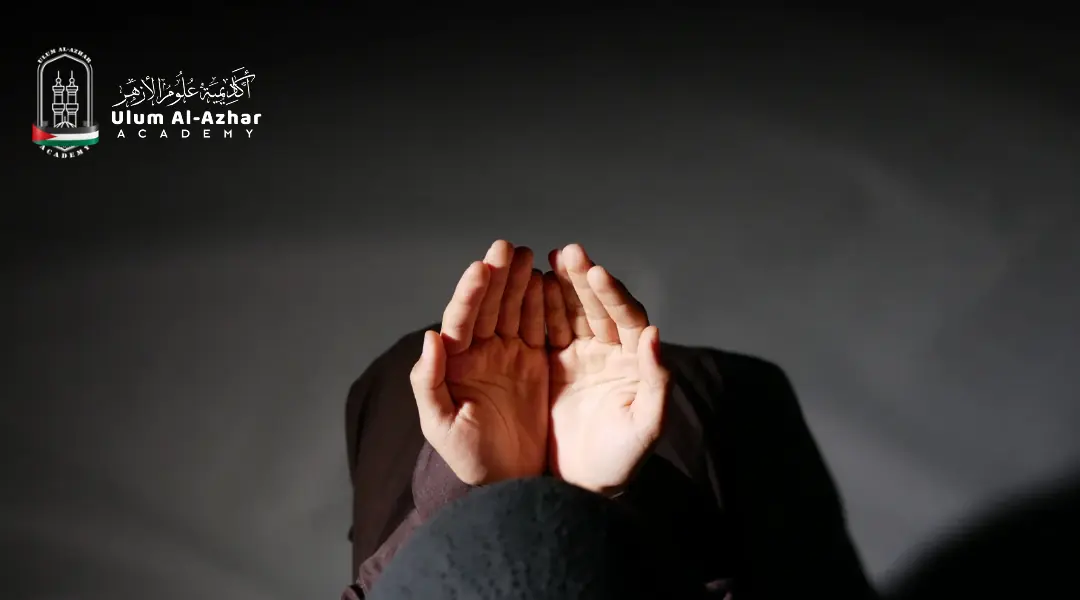
While the Sunnah provides specific supplications, Islam also encourages believers to speak to Allah in their own words. Personal supplications are a meaningful part of duas laylatul qadr, allowing a Muslim to express hopes, fears, and needs directly to the Creator.
Some examples of personal prayers may include:
- Asking Allah for sincere faith and a pure heart
- Seeking forgiveness for past mistakes
- Praying for parents, family members, and loved ones
- Asking for guidance in important life decisions
- Requesting protection from hardship and trials
- Praying for the well-being of the Muslim community
A believer can also ask for success in their career, education, and personal goals, as long as the request is lawful and beneficial.
What matters most is sincerity. The Prophet ﷺ taught that Allah responds to those who call upon Him with humility and certainty. Therefore, during Laylatul Qadr, Muslims should dedicate time to heartfelt duas laylatul qadr, speaking to Allah with complete trust and reliance.
When Is the Best Time to Recite Duas During the Night
Laylatul Qadr may occur on any of the last ten nights of Ramadan. Muslims are encouraged to seek the night through consistent worship during all these nights.
There are several moments when duas laylatul qadr are especially recommended:
1. During Sujood (Prostration)
The Prophet ﷺ taught that a servant is closest to Allah while in prostration. Therefore, making duas laylatul qadr during sujood in voluntary prayers is highly encouraged.
2. In the Last Third of the Night
The final portion of the night is known as a special time when Allah’s mercy descends and prayers are answered. Making supplication during this time increases the chances of acceptance. The Messenger of Allah ﷺ said:
“Our Lord, Blessed and Exalted, descends every night to the lowest heaven when the last third of the night remains and says: Who is calling upon Me so that I may answer him? Who is asking Me so that I may give him? Who is seeking My forgiveness so that I may forgive him?”
3. While Breaking the Fast
If Laylatul Qadr falls on a night following a day of fasting, the moments of breaking the fast can also be a time for sincere supplication. The Messenger of Allah ﷺ said:
“Three supplications are not rejected: the supplication of a just ruler, the supplication of the fasting person when he breaks his fast, and the supplication of the oppressed.”
How New Muslims in Canada Can Build a Dua Habit
For new Muslims living in Canada or other non-Muslim majority countries, Ramadan and Laylatul Qadr can feel both inspiring and overwhelming. Learning how to make duas laylatul qadr consistently may take time, but it can become a beautiful spiritual habit. Here are some helpful steps:
- Start With Short Authentic Duas
- Use Your Native Language
- Create a Personal Dua List
- Set Aside Quiet Time
- Join Community Worship
Learn & practice the language of Quran with qualified Arab tutors from Al-Azhar Al-Sharif, Egypt in Online Quranic Arabic Course.
Conclusion
Laylatul Qadr is a night of immense mercy, forgiveness, and spiritual renewal. The rewards of worship during this night are greater than those of many years of devotion, making it one of the most valuable opportunities in a Muslim’s life.
Among the many acts of worship recommended on this night, making duas laylatul qadr stands out as one of the most powerful. Through supplication, believers turn directly to Allah, seeking His forgiveness, guidance, and blessings.
Whether reciting authentic supplications from the Sunnah, repeating the famous dua taught by the Prophet ﷺ, or speaking from the heart with personal prayers, every sincere supplication made during Laylatul Qadr carries immense value.
Get a free consultation session with Al-Azhar-certified Sheikhs from Egypt and kickstart your personalized Islamic studies.
FAQs
What is the best dua to recite on Laylatul Qadr?
The most recommended supplication among duas laylatul qadr is: “Allahumma innaka ‘afuwwun tuhibbul ‘afwa fa‘fu ‘anni.”
Can I make Laylatul Qadr duas in English?
Yes. While many duas laylatul qadr are reported in Arabic, Muslims may supplicate in any language they understand. Sincerity and humility are more important than language.
How many times should I recite the Laylatul Qadr dua?
There is no fixed number. Muslims often repeat this supplication many times throughout the night as part of their duas laylatul qadr.
Is it better to recite memorized duas or personal ones?
Both are valuable. Authentic supplications from the Sunnah provide guidance, while personal prayers allow believers to express their unique needs during duas laylatul qadr.
