
Explaining why do Muslims wear hijabs: Faith, Modesty, and Culture
How amazing were the women of the Companions in their eagerness to carry out the command of Allah. Barely had the verse of hijab been revealed, and their fathers, brothers, and husbands returned home with it, when each one of them immediately took her cloak and wrapped herself with it. They then came to the mosque of the Prophet ﷺ as if black crows were upon their heads—out of modesty, calmness, and dignified behavior. What was it that moved them to do so? and why do muslims wear hijabs?
We will explore through a comprehensive lens: scriptural foundations, spiritual dimensions, social benefits, personal identity, and the importance of teaching younger generations.
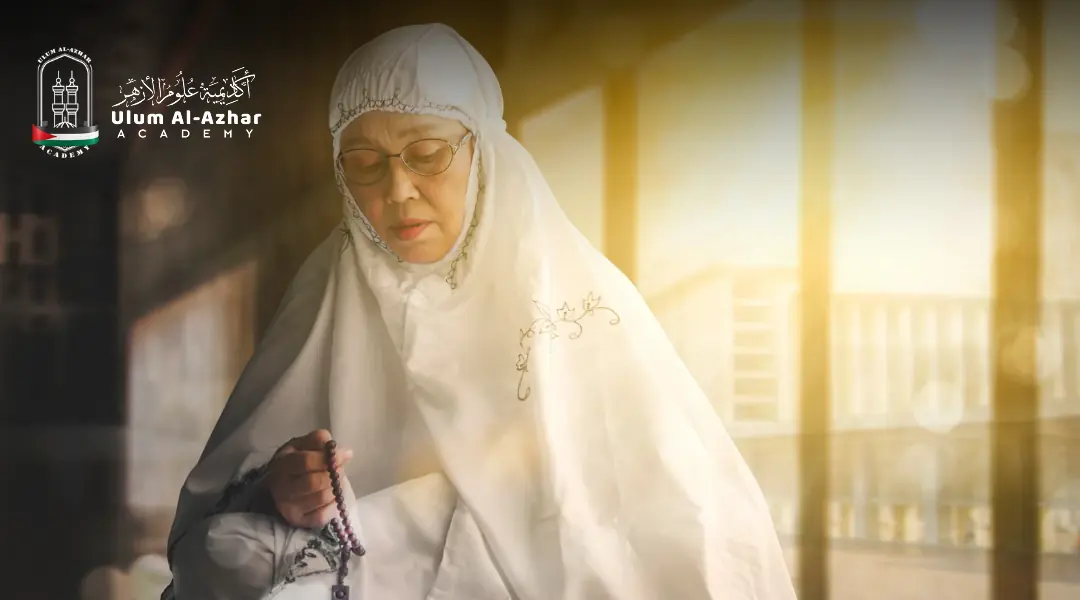
Exploring the Reasons why do muslims wear hijabs
The reasons why do muslims wear hijabs are multidimensional, the first one and the most important is that the hijab is a command from Allah, and people of faith have no response to it except to say: “We hear and we obey.” There is no choice in the matter, for Allah says:
“It is not for a believing man or a believing woman, when Allah and His Messenger have decided a matter, to have any option in their affair. And whoever disobeys Allah and His Messenger has indeed strayed into clear misguidance.” (Al-Ahzab 33:36).
Another reason why do muslims wear hijabs is the ethical purpose behind Islamic laws. Scholars have long explained that modest clothing contributes to a dignified and respectful social environment. It reduces the chances of inappropriate objectification and encourages interactions based on personality, intellect, and character rather than physical appearance.
The awaited Islamic learning journey starts with free consultation, delivered by Al-Azhar-certified Sheikhs in Egypt.
Spiritual and Social Benefits of Wearing a Hijab
The spiritual and social benefits help illuminate why do muslims wear hijabs across different cultures and contexts. these benefits include:
1. Wearing the hijab is an act of obedience to Allah, the Almighty, and obedience to His Messenger ﷺ, and it brings us closer to Paradise. Allah has commanded women to wear the hijab, as He says:
“O Prophet, tell your wives, your daughters, and the women of the believers to draw their outer garments over themselves.” (Al-Ahzab 59).
2. Hijab is purity: Allah the Exalted says:
“And when you ˹believers˺ ask his wives for something, ask them from behind a barrier. This is purer for your hearts and theirs.” (Al-Ahzab 53).
He described the hijab as a means of purity for the hearts of believing men and women, for when the eye does not see, the heart does not desire. Thus, the heart remains purer when there is no vision.
3. Hijab is a form of covering, and covering is a trait beloved to Allah: The Messenger of Allah ﷺ said:
“Allah is modest and concealing; He loves modesty and concealment.”
4. Hijab calls to noble character—such as chastity, modesty, shyness, and protective dignity—and it prevents the evils of corruption and moral pollution.
The online Islamic studies program offers an introduction to the foundational principles and classifications of Islamic sciences.
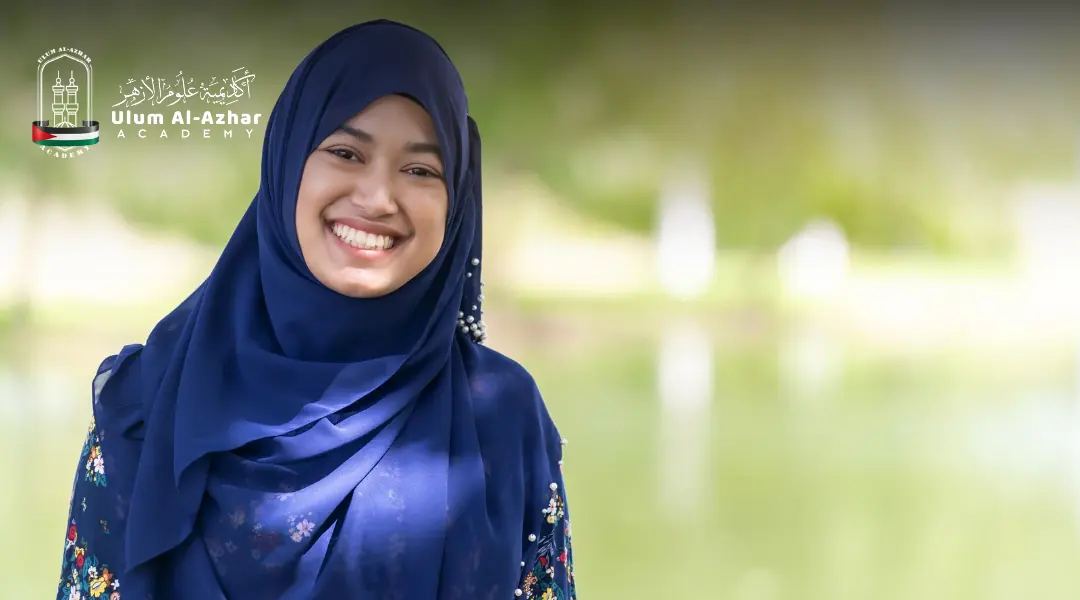
How the Hijab Reflects Faith and Identity in Islam
A core answer to why do muslims wear hijabs is that the hijab symbolizes a woman’s (and the man is responsible for her) dedication to the principles of Islam.
– The hijab is a sign of a man’s faith, and he is responsible for the woman: The Prophet ﷺ said:
“Each of you is a shepherd, and each of you is responsible for his flock. A man is a shepherd over his household and is responsible for his flock.”
– In addition, Hijab is also an expression of faith of a woman : Allah, the Exalted, addressed the command of hijab specifically to believing women. He said:
“And tell the believing women…” and He also said: “and the women of the believers.”
When some women from the tribe of Banu Tamim entered upon the Mother of the Believers, ʿAishah رضي الله عنها, wearing thin garments, she said:
“If you are believers, then this is not the clothing of believing women. And if you are not believers, then enjoy wearing it.”
Teaching Young Girls why do muslims wear hijabs
Introducing why do muslims wear hijabs should begin early in childhood by teaching them the basics of Islamic rulings in a simple manner.
– Parents must teach their children what will be required of them after reaching maturity—such as purification, prayer, and fasting. When the practice of wearing the hijab becomes rooted in a girl’s conscience through early training, she will hold onto it with comfort and confidence.
– Accustoming the girl—and children in general—to modesty at home is essential — She should not be allowed to expose her ‘awrah in front of her siblings under the pretext that they are still young, nor engage in similar inappropriate behaviors.
– Encouragement and gentle persuasion should take priority over harsh words or direct force. Parents should invite their daughters kindly, using good counsel, while explaining the proper conditions of the hijab with evidence.
– Turning to supplication: The Prophet ﷺ said: “There are three supplications that are undoubtedly answered: the prayer (dua) of the oppressed, the prayer of the traveler, and the prayer of a parent for his child.”
– Avoid embarrassment, hurtful comments, or provocative methods: Do not use harsh or humiliating words, and always consider the girl’s emotional and psychological state.
– Offering gifts such as beautiful clothes or scarves is also helpful. There is no harm in choosing colors she likes, as long as the hijab meets the Islamic conditions.
Here is Your kid’s guide to learn all about Islamic Studies through engaging and fun methods. Led by expert teachers from Al-Azhar Al-Shariff.
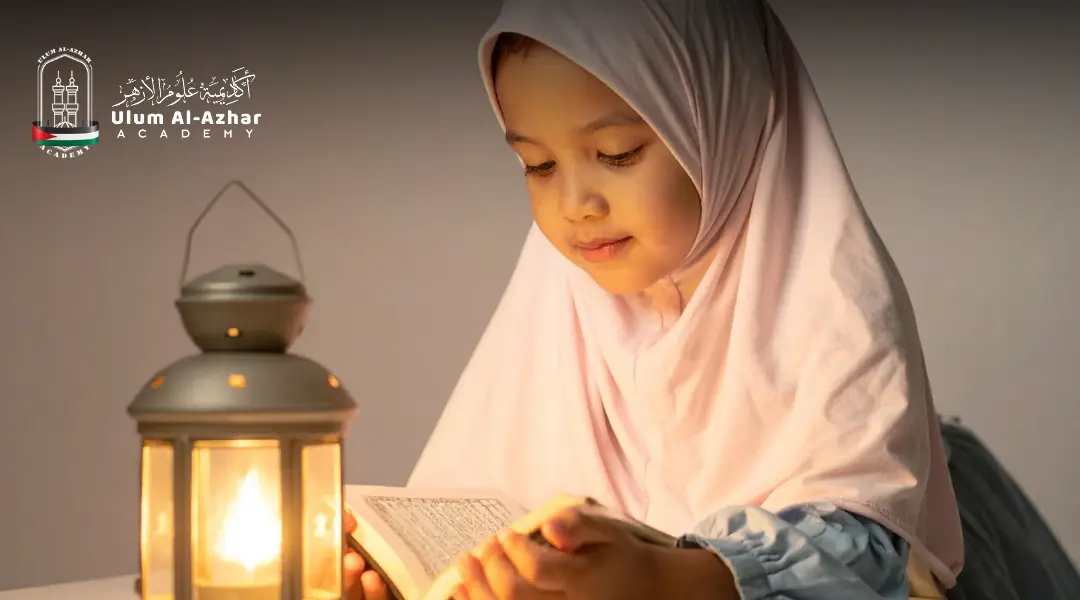
Insights from Ulum Al-Azhar Academy on Modesty and Hijab
Ulum Al-Azhar Academy grounded in Islamic scholarship emphasises a holistic approach to modesty. These insights highlight several key points:
- Hijab is an act of worship, not a cultural accessory or political statement.
- Islam did not impose a single, specific style of hijab, nor did it restrict Muslim women to one particular form of clothing. Rather, it set general conditions and guidelines. Within these guidelines, there is flexibility, allowing every woman to choose what suits her culture and social level while maintaining the Islamic requirements.
- It is important to understand that guiding, educating, and nurturing a child is a great responsibility. It requires time, effort, patience, wisdom, and calmness. It cannot be achieved without beautiful patience, gentleness, and thoughtful guidance.
Learn Shariah through the method of Talaqqi Kitab Turath (Traditional Study) and get certificates endorsed by scholars from AL Azhar (Ijazah Sanad).
Conclusion
The question why do muslims wear hijabs cannot be answered with a single explanation. It is a tapestry of faith, identity, spirituality, modesty, culture, and personal conviction. The hijab represents a woman’s devotion to God, her respect for herself, and her confidence in expressing her religious identity. It promotes social harmony, protects dignity, and fosters inner peace.
Your Islamic learning adventure begins! Join free consultation with Al-Azhar-certified Sheikhs from Egypt.
FAQs
Why do muslims wear hijabs?
Because the hijab is a religious act of modesty, a sign of devotion to God, and a means of protecting dignity and maintaining moral values.
Is the hijab mandatory in Islam?
Yes, modest dressing—including the hijab for women—is part of Islamic guidelines derived from the Qur’an and authentic teachings.
Is the hijab only about clothing?
No. It is part of a broader concept of modesty that includes behavior, speech, and interactions.
Do all Muslims wear the hijab in the same way?
Styles vary depending on culture, climate, and personal preference, while the principle of modesty remains universal.
