
Learn to Read Qur’an: A Beginner’s Step-by-Step Guide
Table of Contents
Allah, the Exalted, has prescribed a specific manner and established method for reciting the Quran. He commanded His Prophet ﷺ accordingly, saying: “And recite the Qur’an with measured recitation.” (Quran 73:4) That is, recite it with deliberation, tranquility, and thoughtful reflection.
For every Muslim, the Qur’an is more than a book. It is the final revelation from Allah, a source of guidance, mercy, and wisdom for every aspect of life. While many people begin by listening to its beautiful recitation, there comes a time when they wish to learn to read Qur’an confidently on their own.
If you are just starting your journey, you may feel overwhelmed by the Arabic language. The good news is that every skilled reader once began exactly where you are today. This guide explains the essential skills beginners need to learn to read Qur’an, the common mistakes to avoid, and a practical learning plan that makes steady progress possible.
Get a free consultation session with Al-Azhar-certified Sheikhs from Egypt and kickstart your personalized Islamic studies.
The First Skills You Need to Read the Qur’an
The first step to learn to read Qur’an is understanding that reading the Qur’an differs from reading ordinary Arabic text. The Qur’an must be recited carefully, preserving every letter and every vowel exactly as it was revealed. So you should master the following:
Learn the Correct Mouth Position for Each Vowel
Understanding how your mouth should move when pronouncing each Arabic vowel (harakah) is essential. For example, the Fatḥah is called “Fatḥah” because the mouth opens while pronouncing a letter carrying this vowel. Listen carefully to the pronunciation of each vowel and study with a qualified teacher who can help you master the correct mouth position for every harakah.
Learn the Difference Between Heavy and Light Letters
One of the fundamental principles of Tajweed is distinguishing between heavy (Tafkheem) and light (Tarqeeq) letters. Tafkheem gives the letter a fuller, heavier sound, while Tarqeeq produces a lighter pronunciation. Correctly applying these characteristics is essential for accurate Quran recitation and contributes to a better understanding of the meanings of the Quran. Every Arabic letter has its own distinctive qualities that set it apart from others.
Master the Points and Characteristics of Articulation
It is important to learn both the Makharij al-Huruf (points of articulation) and the Sifat al-Huruf (characteristics of the letters). The characteristics of each letter describe the manner or quality that accompanies its pronunciation and distinguish it from other letters that share the same point of articulation.
Gradually Learn the Rules of Tajweed
After building a strong foundation, you should gradually master the core rules of Tajweed, including:
- Hamzat al-Wasl and Hamzat al-Qat’
- Ghunnah (nasalization)
- Madd (elongation rules)
- Rules of the Silent Lam (Lam Sakinah)
- Rules of Noon Sakinah and Tanween
- Rules of Meem Sakinah
Once these principles are well established, you can continue progressing step by step through the more advanced rules of Tajweed.
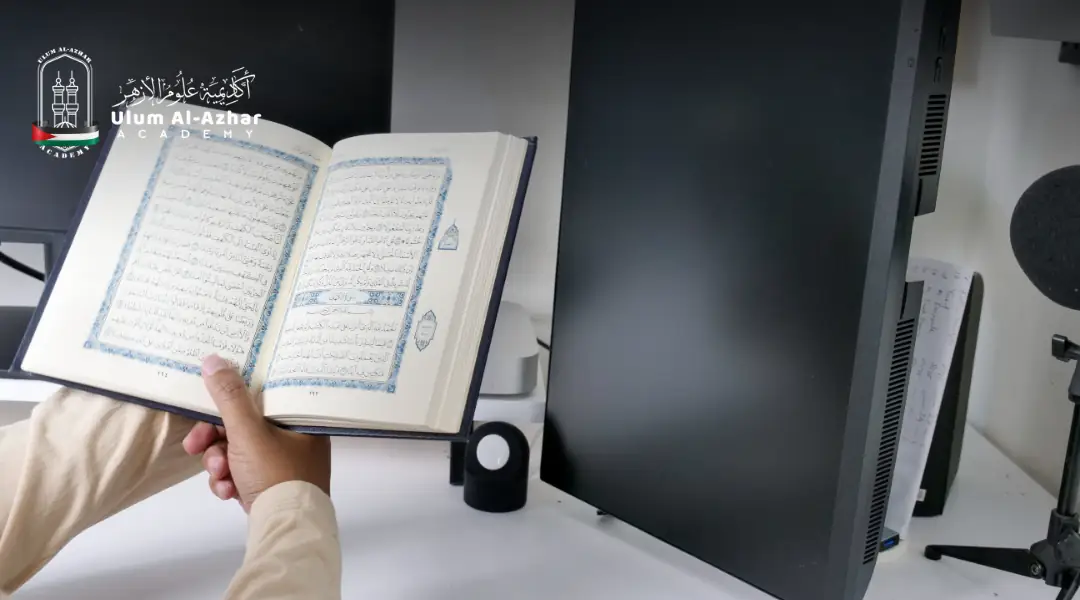
How to Pronounce Arabic Letters Correctly
The first step to learn to read Qur’an is understanding that reading the Qur’an differs from reading ordinary Arabic text. The Qur’an must be recited carefully, preserving every letter and every vowel exactly as it was revealed. So you should master the following:
Learn the Arabic Alphabet
Learn how each letter looks in its isolated form and how it changes when connected within words. Avoid rushing through this stage. Strong letter recognition creates a solid foundation for everything that follows.
Recognize Short and Long Vowels
Arabic uses vowel marks that determine how each letter is pronounced. Beginners should become comfortable with:
- Fathah (ـَ)
- Kasrah (ـِ)
- Dammah (ـُ)
- Sukoon (ـْ)
- Tanween
- Madd (long vowels)
Learn the Articulation Points
Every Arabic letter has a specific point of articulation (Makharij). Teachers help students identify where each sound originates, whether from the throat, tongue, lips, or nasal passage. For example:
- ح and ه are different letters.
- ص and س should never be pronounced the same.
- ق and ك originate from different areas of the mouth.
Read Simple Words First
Instead of attempting long verses immediately, begin with short combinations of letters as: Two-letter words, Three-letter words, Simple Qur’anic vocabulary, Short Surahs.
Mistakes Beginners Make When Reading the Qur’an
Most beginners experience similar challenges when they start learn to read Qur’an. Recognizing these mistakes allows learners to correct them early.
Reading Too Quickly
Many students believe speed equals progress. In reality, being correct is much more important than doing things quickly. By reading slowly, you can make sure to pronounce each letter correctly and follow the basic rules of Tajweed properly.
Learning Without Feedback
Self study can be helpful, but learning the Qur’an needs proper guidance and correction from someone qualified. Small pronunciation mistakes are usually not noticed unless someone is teaching.
Skipping Revision
Last lessons should always be checked over before going on to the next one. Students who take time to review what they’ve already learned usually keep their reading skills stronger than students who always move quickly to new lessons.

A Daily Practice Plan That Builds Confidence
One reason students struggle to learn to read Qur’an is the absence of a structured routine. A simple daily schedule often produces better results than occasional long study sessions.
5 Minutes: Review Previous Lesson
Take 5 minutes to go over the topics from yesterday’s lesson.Start by looking back at what you learned the day before. This helps you remember better and makes what you already know even stronger.
10 Minutes: Practice New Material.
Quality is more important than how much you do. Read slowly and pay close attention.Focus on: correct pronunciation, vowel marks, letter recognition, and smooth reading.
5 Minutes: Listen to Correct Recitation
Pick the same verses you practiced and listen carefully to an experienced reciter. Try to notice the differences between how you read and how they read.
5 Minutes: Repeat Aloud
Repeat the verses several times. Repeating words helps you say them better, feel more sure, and speak more smoothly.
Weekly Review
Set aside one day every week to go over what you’ve learned instead of starting something new. Looking back at previous lessons helps transfer information from temporary memory to lasting memory.
Following this simple routine consistently allows beginners to learn to read Qur’an steadily without feeling overwhelmed.
How Ulum Al-Azhar Academy Supports New Learners
Choosing the right learning environment plays an important role in your progress. At Ulum Al-Azhar Academy, students begin with the essential foundations before moving to more advanced Qur’anic reading. Lessons are carefully organized so that each skill builds naturally upon the previous one.
At the Online Tajweed Classes for Beginners you will learn:
- Master the fundamentals of Tajweed rules.
- Learn the correct articulation points of Arabic letters.
- Improve Quran recitation accuracy and fluency.
- Practice guided recitation in Riwayat Hafs.
- Read Quranic words and verses with confidence.
- Complete Juz’ 30 with proper pronunciation and Tajweed application.
- Develop a solid foundation for advanced Quran studies.
Whether you are a child, an adult, or someone returning to Qur’an study after many years, the Academy provides a welcoming environment that makes it easier to learn to read Qur’an with confidence and consistency.
Conclusion
Deciding to learn to read Qur’an is one of the most fulfilling paths a Muslim can choose. Even though the first lessons might feel hard, each step helps you get better at understanding and saying Allah’s words the right way.
By learning the Arabic letters, practicing every day, understanding the basics of Tajweed, and reviewing regularly, you can steadily learn to read Qur’an with confidence. Every time you say a letter, it’s a chance to earn a reward, so each effort you put in is really worth it.
Embark on your custom Islamic learning path through a free consultation session led by Egyptian Al-Azhar Sheikhs.
FAQs
How long does it take to learn to read Qur’an?
The study duration of Online Tajweed Classes for Beginner at Ulum Al-Azhar Academy is about 16-24 H.
Do I need to know Arabic before I learn to read Qur’an?
A structured beginner’s course teaches the alphabet, pronunciation, and reading skills from the ground up.
Can adults learn to read Qur’an?
Absolutely. People of all ages can successfully learn to read Qur’an. Many adults begin their learning journey later in life and make excellent progress.
