
When Is Shaban? Dates, Importance, and Preparation Guide
Table of Contents
Usamah ibn Zayd رضي الله عنهما used to observe the state of the Prophet ﷺ during the month of Sha‘ban. He noticed that the Prophet fasted in it more than in any other month. So he asked in amazement: “O Messenger of Allah, I have not seen you fast in any month as much as you fast in Sha‘ban.” The Prophet ﷺ then said:
“That is a month which people neglect, between Rajab and Ramadan. It is a month in which deeds are raised to the Lord of the Worlds, and I love that my deeds be raised while I am fasting.”
That is why many Muslims around the world ask an important question every year: when is Shaban? This blessed month holds a unique place in the Islamic calendar, serving as a spiritual bridge between the sacred months of Rajab and Ramadan.
We will explore when is Shaban, its importance in Islam, recommended acts of worship, and how Muslims can prepare for the month of fasting ahead.
When Is Shaban According to the Islamic Calendar
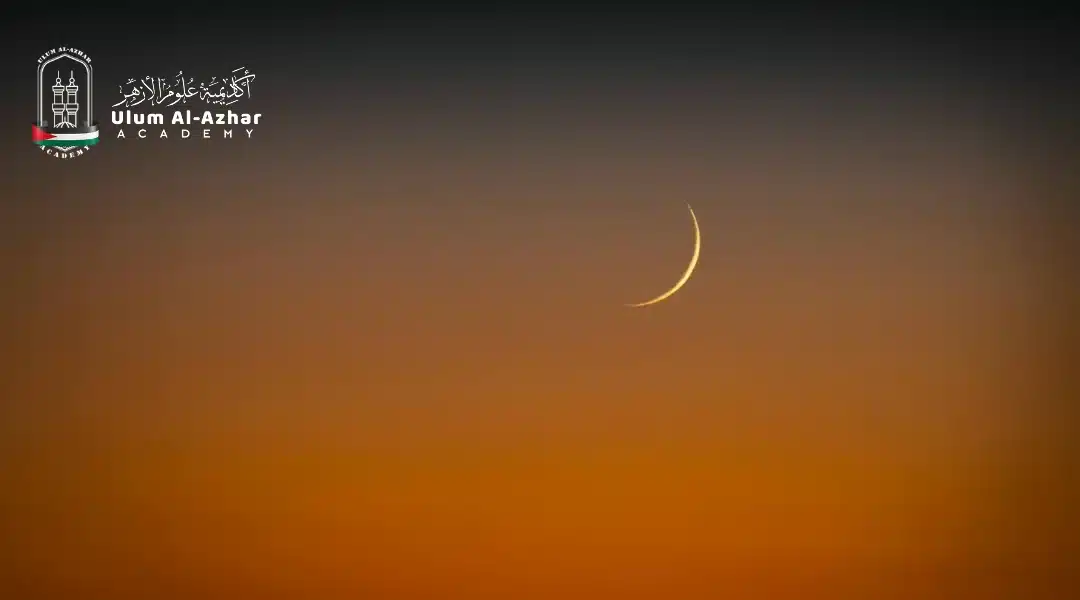
To exactly determine when is Shaban, one must first understand the nature of the Islamic calendar. The Islamic calendar is lunar, consisting of 12 months based on the cycles of the moon. Each month begins with the sighting of the new crescent moon.
Shaban is the eighth month of the Islamic (Hijri) calendar. It comes after Rajab and before Ramadan. The answer to when is Shaban changes every year according to the Gregorian calendar, as the lunar year is about 10–11 days shorter than the solar year.
Muslims traditionally determine when is Shaban by moon sighting. If the crescent moon is seen after sunset on the 29th day of Rajab, then Shaban begins the following day. If not, Rajab completes 30 days, and Shaban starts thereafter.
It is expected that this year, 2026, the month of Rajab will be 30 days, and accordingly, the beginning of Shaban will be on January 20, 2026.
Begin your unique Islamic learning path with a free consultation led by Al-Azhar-certified Sheikhs from Egypt.
Why the Month of Shaban Is Important in Islam
The value of the month of Shaban comes from its time. It is glad tidings of the approaching arrival of the blessed month of Ramadan. It is the month of preparation, the month of readiness, the month of training before entering the arena of the race.
For the believer, Shaban is like an athlete as the time of a championship draws near: he does not enter it suddenly, nor does he wait until the day of competition to begin training. Rather, he intensifies his training beforehand and accustoms his body to exertion.
Abu Bakr al-Balkhi رحمه الله said:
“Rajab is the month of planting, Sha‘ban is the month of watering, and Ramadan is the month of harvest.” So whoever does not plant in Rajab and does not water in Sha‘ban, with what will he harvest in Ramadan?
If you want a Ramadan that is different from every Ramadan before it—a Ramadan with a living heart, humble worship, and acceptance from Allah—then begin with Sha‘ban. Purify your heart from hatred, envy, and disputes, and renew your repentance from sins in all their forms, covering every aspect of shortcoming in your daily life, so that Ramadan does not enter upon you except while your heart is pure and clean. Ramadan is like a fragrance, and a garment is not perfumed until it has first been washed.
So knowing when is Shaban allows Muslims to benefit fully from this preparatory period.
Recommended Acts of Worship During Shaban
Once a believer knows when is Shaban, the next step is understanding how to worship during it properly.
Voluntary Fasting
One of the most recommended acts during Shaban is voluntary fasting. The Prophet ﷺ fasted frequently during this month, more than in most other months outside Ramadan.
Night Prayers (Qiyam al-Layl)
Shaban is an excellent time to revive night prayers, even if only two short units after Isha prayer.
Recitation of the Quran
Qur’an is goodness and a source of blessings on every day of the year. Increasing Quran recitation during Shaban softens the heart and reconnects the believer with divine guidance.
Seeking Forgiveness and Supplication
Shaban is a time to ask Allah and the people whom we have harmed for forgiveness sincerely. The Prophet ﷺ said:
“Allah looks at His creation on the night of the middle of Sha‘ban and forgives all of His creation except for one who associates partners with Him or one who harbors hatred.”

How Muslims Prepare for Ramadan in Shaban
Aisha رضي الله عنها said:
“I never saw the Messenger of Allah ﷺ complete the fasting of an entire month except for Ramadan, and I never saw him fast more in any month than he did in Shaban.” (Reported by al-Bukhari and Muslim.)
Some scholars explained the Prophet’s frequent fasting in Shaban as a form of training for the soul, preparation for welcoming Ramadan, and an affirmation of the great virtue of the month of Shaban.
Thus, knowing when is Shaban is not just about dates—it is about readiness as following:
1 – Supplicate to Allah to let you reach the month of Ramadan:
It was reported from Anas ibn Malik رضي الله عنه that he said: When the month of Rajab began, the Prophet ﷺ would say:
“O Allah, bless us in Rajab and Sha‘ban, and allow us to reach Ramadan.”
2 – Thank Allah for reaching the month:
A few days before Ramadan, thank Allah that you have reached this month. Among the greatest blessings Allah bestows upon a servant is granting him success in obedience. The Prophet ﷺ said:
“Ramadan has come to you, a blessed month. Allah, the Exalted, has made fasting it obligatory upon you. In it, the gates of Heaven are opened, the gates of Hell are closed, and the rebellious devils are chained. In it there is a night better than a thousand months; whoever is deprived of its goodness is truly deprived.”
3 – Resolve to abandon sins and repent:
Ramadan is considered the true beginning of the year, as the deeds of the year are raised in the month of Sha‘ban. Thus, Ramadan becomes a new beginning after deeds have been lifted. Therefore, each of us needs to open a new, pure, and clean page with Allah.
4 – Prepare a personal program for supplication and remembrance (dhikr):
determine your needs, write down your supplications and remembrances, and make sure you have remembrance and glorification after every action you perform, after every prayer, before sleeping and after waking, during in-between times, and amid daily life activities.
5 – Prepare yourself spiritually and psychologically:
Prepare yourself spiritually and psychologically by reading and studying beneficial books and writings, and by listening to beneficial lectures and lessons that explain the virtues and rulings of fasting, so that the soul becomes ready for obedience.
The Prophet ﷺ used to prepare the hearts of his Companions to make the most of this blessed month, saying:
“Ramadan has come to you, a month of blessings. Allah envelops you in it, sends down mercy, removes sins, and answers supplications. Allah looks at your competition in it and boasts of you before His angels. So show Allah goodness from yourselves, for indeed the truly deprived one is he who is deprived of the mercy of Allah, the Exalted, in it.”
Common Questions About Fasting and Worship in Shaban
Many questions arise every year regarding when is Shaban and how worship should be performed during it.
Some Muslims wonder whether fasting is allowed in the second half of Shaban. Scholars explain that fasting remains permissible, especially for those who have an established habit of fasting, such as fasting Mondays and Thursdays or making up missed fasts.
Others ask whether specific nights in Shaban require special prayers. It has not been authentically established that the Prophet ﷺ prescribed a specific prayer or a particular act of worship for the night of the middle of Sha‘ban or for any other day of Shaban, except for fasting.
Another common question is whether one should fast the day immediately before Ramadan. The general guidance is to avoid fasting the day of doubt unless it coincides with a habitual fast.
Discover more about Blessed Times in Islam – through Wa Zakkirhum Course! Know and understand how to seize every second in sacred months in islam.
Conclusion
So, when is Shaban? It is the eighth month of the Islamic calendar, a time of preparation, reflection, and spiritual growth. Its position before Ramadan gives it a unique role in shaping a believer’s mindset and habits.
Shaban teaches Muslims consistency in worship, sincerity in intention, and balance in practice. Those who recognize when is Shaban and honor it with meaningful worship often enter Ramadan with stronger faith and greater focus.
For personalized Islamic learning, get a free consultation session with Al-Azhar-certified Sheikhs based in Egypt.
FAQs
When is Shaban in the Gregorian calendar?
The exact date varies every year because Shaban follows the lunar calendar. It is expected that 1 Shaban will be on January 20, 2026.
Why do Muslims ask when is Shaban every year?
Because knowing when is Shaban helps Muslims prepare for Ramadan properly.
Is fasting mandatory in Shaban?
No, fasting in Shaban is voluntary, but it is highly recommended for those who are able.
What is the main lesson of Shaban?
The main lesson is consistency in worship and readiness for greater acts of devotion.
